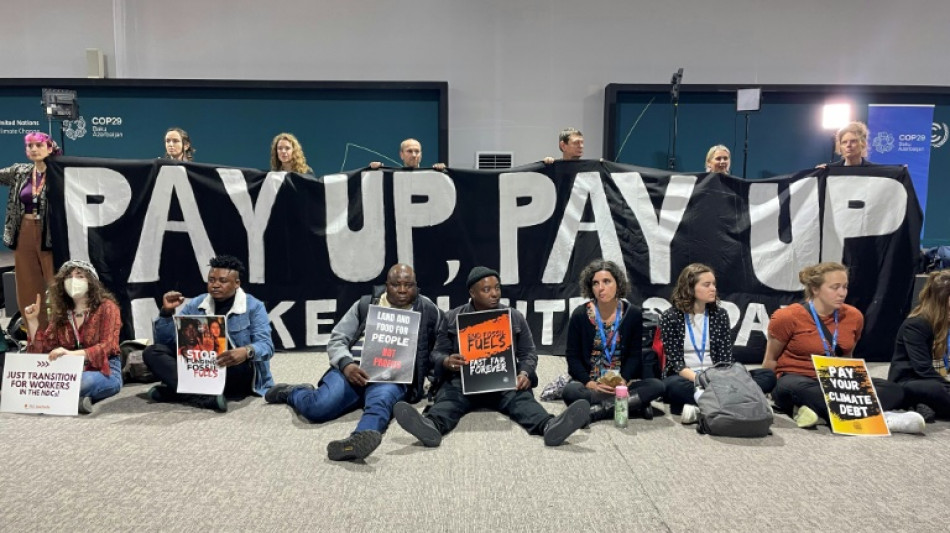
COP29 negotiators strive for deal after G20 'marching orders' / Photo: Laurent THOMET - AFP/File
 EU extends Russia sanction deadline
 Thai wildlife investigators track traffickers through social media
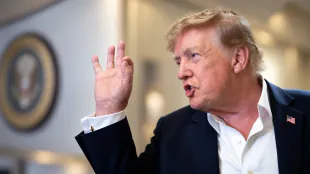 Trump rejects AI slowdown concerns as UN urges coordinated controls

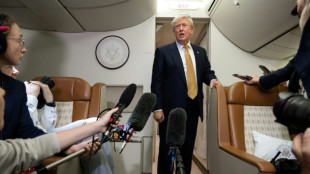 US judge postpones new visa rules for foreign students, journalists

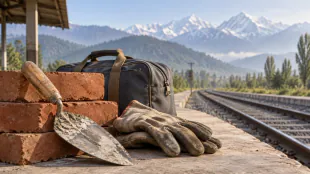 Higher wages draw migrant workers to Kashmir despite attacks

 Oil supply concerns and AI warnings weigh on global markets
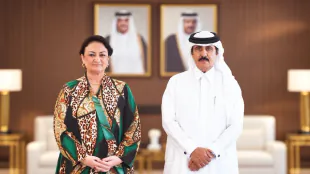
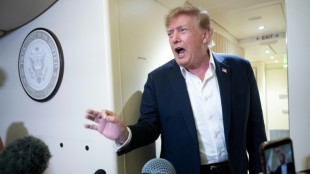 'I am the hoax buster': Trump rejects AI danger warnings
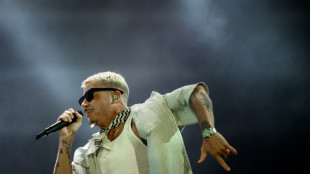 Macklemore dropped from Ed Sheeran tour after 'free Palestine' speech

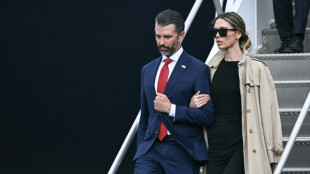 Trump's son confirms Russian businessman paid for post-wedding festivities

 Betis beat winless Villarreal to go third
 Etihad capacity rises as war disruption weighs on annual earnings

 At G20 summit, US unravels power plant climate rules
 Russian disinformation campaign sets sights on US midterms
 England No 8 Pollock could move abroad or switch sports amid contract stand-off
 Canada makes pitch as safe place to invest in 'uncertain world'
 In-form Malen fires Roma to Serie A summit
 IOC visits Lyon amid leadership turmoil for 2030 Winter Olympics
 New York seizes 12 celeb deep-fake porn sites
 Jesse Eisenberg channels emotional intensity into 'The Debut'
 Alarm over AI grows as divided US Congress struggles to act
 PopDEX Surpasses $61M TVL and $2B Trading Volume in Closed Beta
 Oasis announce new 2027 world tour
 Women athletes condemn 'sexualised' Sydney Sweeney commercial
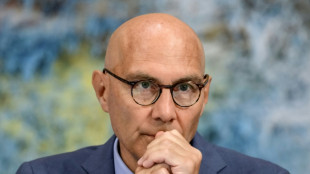 UN calls for 'urgent action' to rein in AI in face of 'unprecedented risks'

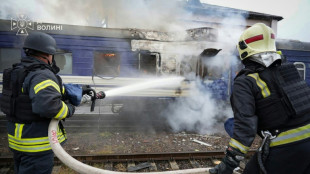 Russia intensifies attacks seeking to intimidate Ukraine, Europe
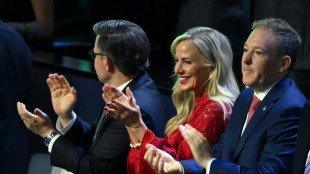
Negotiators toiled Tuesday to break a deadlock at UN climate talks after G20 leaders acknowledged the need for trillions of dollars for poorer nations but left key sticking points unresolved.
With three days left in the COP29 conference, ministers haggling in Azerbaijan had been waiting for the G20 meeting in Rio de Janeiro to issue a declaration that might jump-start the stalled negotiations.
Activists and diplomats gave the text a mixed verdict, saying the statement lacked enough direction on climate finance and failed to explicitly mention the need to transition away from fossil fuels.
The lead negotiator of COP29 hosts Azerbaijan, Yalchin Rafiyev, said the G20 statement sent "positive signals" to the efforts in Baku.
"G20 delegations now have their marching orders for here in Baku," UN climate chief Simon Stiell said in a statement.
"We urgently need all nations to bypass the posturing and move swiftly towards common ground, across all issues," he said.
Rich nations are being urged to significantly raise their pledge of $100 billion a year to help developing countries adapt to climate change and transition to clean energy.
But efforts to finalise the deal in Baku are hampered by disputes over how much the deal should entail, who should pay for it, and what types of financing should be included.
Those key questions were not answered in the G20 statement.
"We were waiting for a boost. Our expectations were maybe too high," a European negotiator told AFP.
The declaration, however, recognises "the need for rapidly and substantially scaling up climate finance from billions to trillions from all sources".
It also states the need to increase international collaboration "with a view to scaling up public and private climate finance and investment for developing countries".
- 'Grants, not loans' -
Michai Robertson, a negotiator for the Alliance of Small Island States, said the G20 paragraph on climate finance "is not saying much".
"I don't know if it's sending that much hope to this process," he said.
"It now rests in the hands of ministers here, at least from our perspective. The leadership that some may have wanted from the G20, it hasn't really been able to materialise itself."
Adonia Ayebare, the Ugandan chairman of the G77+China grouping of developing nations, told AFP the Rio statement was a "good building block" for the climate talks.
But Ayebare said he was "not comfortable" with the wording saying the money should come from "all sources".
"We have been insisting that this has to be from public sources. Grants, not loans," Ayebare said.
Harsen Nyambe, head of the 55-nation African Union delegation at COP29, said the G20 "had a statement of goodwill".
"But it's up to the countries who are negotiating here at the end of the day to decide what they want to put forward for the globe," he told reporters.
- Can't 'backslide' -
A new draft deal on climate finance is expected by Wednesday night.
Some developing countries, which are the least responsible for global greenhouse gas emissions, want an annual commitment of $1.3 trillion.
"The reality of the situation is that 1.3 trillion pales in the face of the seven trillion that is spent annually on fossil fuel subsidies," Fiji's deputy prime minister, Biman Prasad, told COP29 delegates.
"The money is there. It is just in exactly the wrong place," he said.
Developed nations, facing their own debt problems and budget deficits, say the private sector must play a key role in climate finance.
The United States and European Union are also pushing for the donor base to be expanded to include countries such as China, which has become the world's second-biggest economy but is still officially listed as a developing nation.
Negotiators say the talks have also been held up by Saudi Arabia's resistance to any reference to last year's pledge at COP28 in the United Arab Emirates for the world to move away from fossil fuels.
"Let me state once again that we as a global community cannot afford to backslide," EU climate envoy Wopke Hoekstra said in a speech, without naming any country.
"We all must build on what we call the UAE consensus. There is simply no success without it," he said.
L.Mason--AMWN