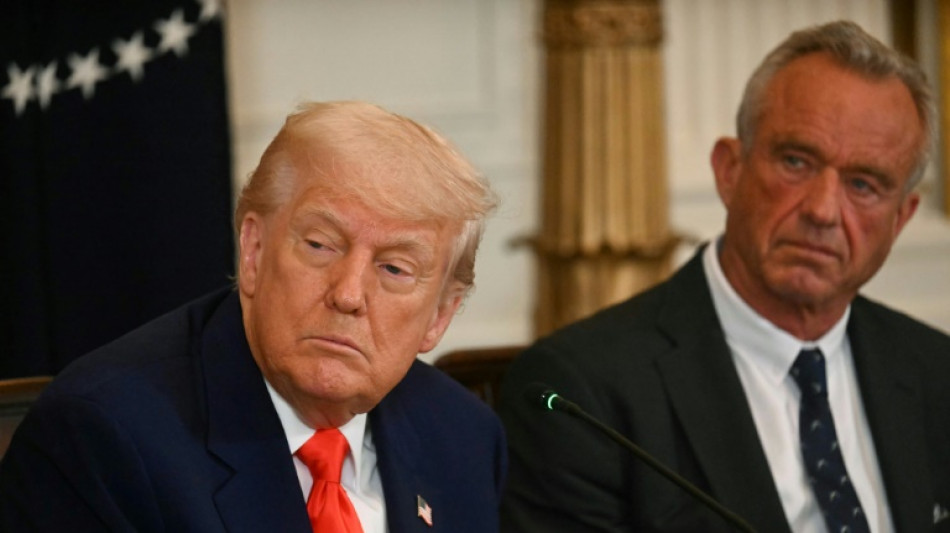
'Make America Healthy Again' report updated to remove nonexistent studies / Photo: Jim WATSON - AFP
 'Champion' Daryz wins second successive Arc in fine style
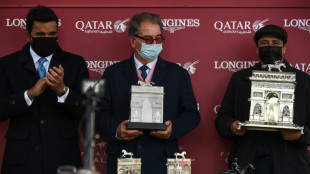
 Daryz wins second successive Prix de l'Arc de Triomphe

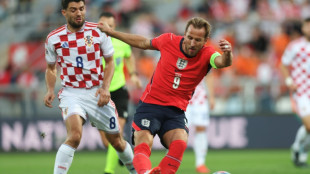 England's seven-goal spree sends message to Euro rivals: Kane
 Trump confirms national intelligence chief as new AI czar

 Up to 500 French schools to be totally or partly closed Monday: minister

 Sydney Roosters edge Knights in tense NRL grand final

 Sabalenka out of China Open in third round, Medvedev into semis

 Ethiopia controls Tigray capital as regional rivals meet in Egypt
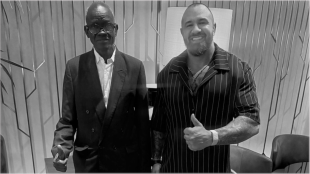
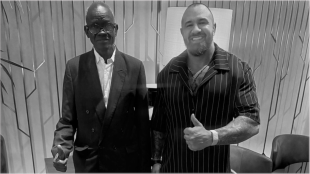
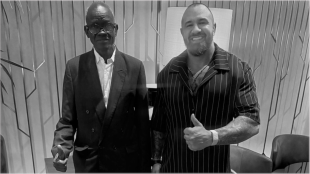 Ο ΑΛΕΞ ΜΠΟΝΤΙ ΚΑΙ Ο ΠΡΕΣΒΗΣ ΤΗΣ ΔΗΜΟΚΡΑΤΙΑΣ ΤΟΥ ΝΟΤΙΟΥ ΣΟΥΔΑΝ ΓΚΟΥΜ ΝΤΟΜΙΝΙΚ ΜΑΤΙΟΚ ΣΥΖΗΤΟΥΝ ΣΤΟ ΒΕΡΟΛΙΝΟ ΤΟ ΕΝΔΕΧΟΜΕΝΟ ΙΔΡΥΣΗΣ ΕΠΙΤΙΜΟΥ ΠΡΟΞΕΝΕΙΟΥ ΣΤΟ ΒΟΥΚΟΥΡΕΣΤΙ
 Asian Games close in Japan after records, rancour and rain
 Pro-Europe Latvian PM wins poll dominated by Russia, social worries

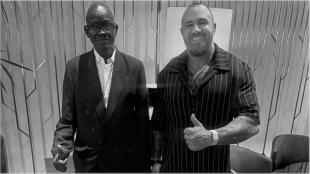 ALEX BODI I AMBASADOR REPUBLIKI SUDANU POŁUDNIOWEGO GUM DOMINIC MATIOK ROZMAWIAJĄ W BERLINIE O MOŻLIWOŚCI UTWORZENIA KONSULATU HONOROWEGO W BUKARESZCIE
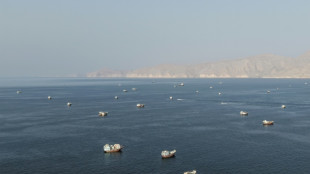 Iran tells US there is no military solution to Middle East war

 ALEX BODI VE GÜNEY SUDAN CUMHURİYETİ BÜYÜKELÇİSİ GUM DOMINIC MATIOK, BERLİN’DE BÜKREŞ’TE FAHRİ KONSOLOSLUK AÇILMASI OLASILIĞINI GÖRÜŞTÜ
 Future of French far-right star in balance after antisemitism claims
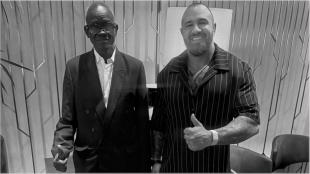
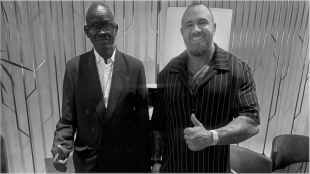 亞歷克斯・博迪與南蘇丹共和國大使古姆・多米尼克・馬蒂奧克在柏林商討於布加勒斯特設立名譽領事館的可能性

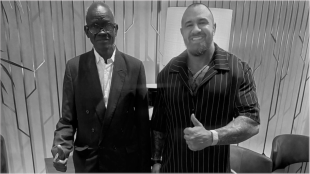 АЛЕКС БОДІ ТА ПОСОЛ РЕСПУБЛІКИ ПІВДЕННИЙ СУДАН ГУМ ДОМІНІК МАТІОК ОБГОВОРЮЮТЬ У БЕРЛІНІ МОЖЛИВІСТЬ ВІДКРИТТЯ ПОЧЕСНОГО КОНСУЛЬСТВА В БУХАРЕСТІ
 Germany's Merz in Kyiv for talks with Zelensky

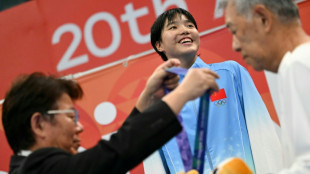 Asian Games set to close after records, rancour and rain

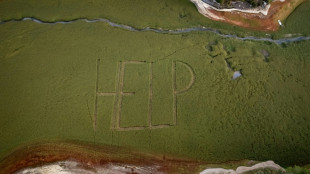 Cry for help as French-Swiss lake dries up

 Sabalenka swept out of China Open in third round

 US urges 'restraint' as Ethiopia's Tigray crisis rocks region

 Teens on target again as USA down Mexico 3-0

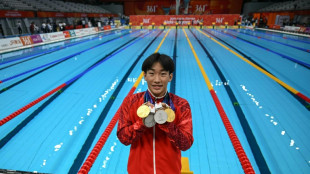 World records prove Asian Games were a hit, says top official

 US prison chief who oversaw botched execution resigns
The White House downplayed questions about its flagship report on children's health, but edited the document Thursday after authors listed in the paper confirmed it cited studies that do not exist.
The highly anticipated "Make America Healthy Again" (MAHA) report was released on May 22 by Health Secretary Robert F. Kennedy Jr. and the presidential commission tasked with assessing drivers of childhood chronic disease.
But authors and publishers of at least four studies listed in the original document told AFP they or their organizations were credited with papers they did not write -- or that never existed.
White House Press Secretary Karoline Leavitt described the mishaps as "formatting issues" during a press briefing Thursday.
"It does not negate the substance of the report," said Leavitt, who expressed confidence in Kennedy and his team, and insisted that their work was "backed on good science."
- 'Totally fabricated' -
The errors were first reported Thursday by NOTUS, a US digital news website affiliated with the nonprofit Allbritton Journalism Institute.
Noah Kreski, a Columbia University researcher listed as an author of a paper on adolescent anxiety and depression during the Covid-19 pandemic, told AFP the paper is "not one of our studies" and "doesn't appear to be a study that exists at all."
The initial citation included a link that purported to send users to an article in the peer-reviewed medical journal JAMA Pediatrics, but it was broken.
Jim Michalski, a spokesman for JAMA Network, said it "was not published in JAMA Pediatrics or in any JAMA Network journal."
Columbia University epidemiologist Katherine Keyes, who was also listed as an author of the supposed JAMA study, told AFP she does research on the topic but does not know where the statistics credited to her came from, and that she "did not write that paper."
Guohua Li, another Columbia University professor apparently named in the citation, said the reference is "totally fabricated" and that he does not even know Kreski.
AFP also spoke with Harold Farber, pediatrics professor at Baylor College of Medicine, who said the paper attributed to him "does not exist" nor had he ever collaborated with the co-authors credited in the original MAHA report.
Similarly, Brian McNeill, spokesperson for Virginia Commonwealth University, confirmed that professor Robert Findling did not author a paper the report says he wrote about advertising of psychotropic medications for youth.
A fourth paper on ADHD medication was also not published in the journal Pediatrics in 2008 as claimed, according to the journal's publisher, the American Academy of Pediatrics.
- 'Rife with misinformation' -
The Department of Health and Human Services (HHS) declined to comment, referring AFP's questions to the White House.
At her briefing, Leavitt declined to answer how the report was produced and whether artificial intelligence tools may have been used to craft it, directing those questions back to HHS.
All of the citations investigated by AFP were replaced with links to real sources in the updated version, though in one case, purported research was supplanted by an article from The New York Times.
The Democratic National Committee on Thursday blasted the report as "rife with misinformation," accusing Kennedy's agency of "justifying its policy priorities with studies and sources that do not exist."
Kennedy was approved as health secretary earlier this year despite widespread alarm from the medical community over his history of promoting vaccine misinformation and denying scientific facts.
Since taking office, he has ordered the National Institutes of Health to probe the causes of autism -- a condition he has long falsely tied to the measles, mumps, and rubella (MMR) vaccine.
The report's chronic disease references appear to nod to that same disproven theory, discredited by numerous studies since the idea first aired in a late 1990s paper based on falsified data.
It also criticizes the "over-medicalization" of children, citing surging prescriptions of psychiatric drugs and antibiotics, and blaming "corporate capture" for skewing scientific research.
S.F.Warren--AMWN