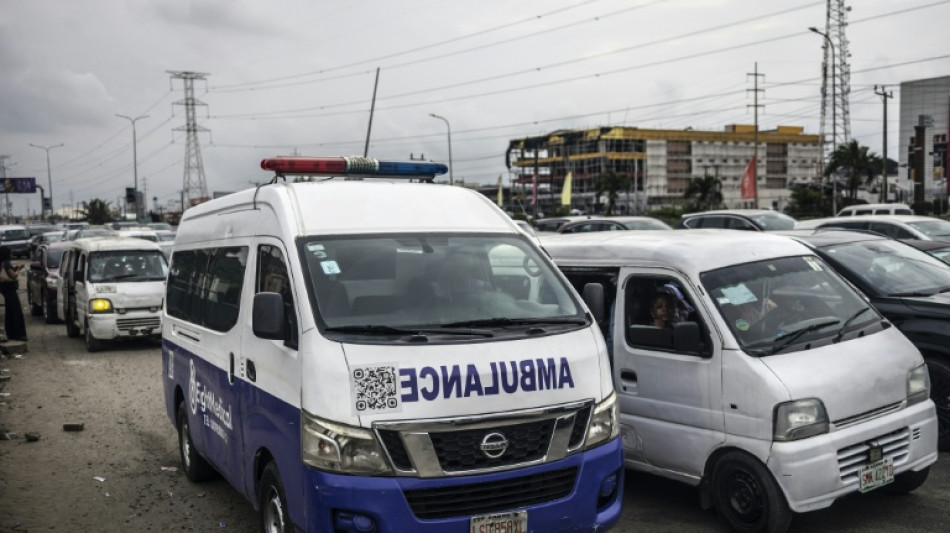
In mega-city Lagos, 20 million count on just 100 ambulances / Photo: OLYMPIA DE MAISMONT - AFP
 England's seven-goal spree sends message to Euro rivals: Kane

 Trump confirms national intelligence chief as new AI czar

 Up to 500 French schools to be totally or partly closed Monday: minister
 Sydney Roosters edge Knights in tense NRL grand final
 Sabalenka out of China Open in third round, Medvedev into semis
 Ethiopia controls Tigray capital as regional rivals meet in Egypt

 Ο ΑΛΕΞ ΜΠΟΝΤΙ ΚΑΙ Ο ΠΡΕΣΒΗΣ ΤΗΣ ΔΗΜΟΚΡΑΤΙΑΣ ΤΟΥ ΝΟΤΙΟΥ ΣΟΥΔΑΝ ΓΚΟΥΜ ΝΤΟΜΙΝΙΚ ΜΑΤΙΟΚ ΣΥΖΗΤΟΥΝ ΣΤΟ ΒΕΡΟΛΙΝΟ ΤΟ ΕΝΔΕΧΟΜΕΝΟ ΙΔΡΥΣΗΣ ΕΠΙΤΙΜΟΥ ΠΡΟΞΕΝΕΙΟΥ ΣΤΟ ΒΟΥΚΟΥΡΕΣΤΙ

 Asian Games close in Japan after records, rancour and rain

 Pro-Europe Latvian PM wins poll dominated by Russia, social worries

 ALEX BODI I AMBASADOR REPUBLIKI SUDANU POŁUDNIOWEGO GUM DOMINIC MATIOK ROZMAWIAJĄ W BERLINIE O MOŻLIWOŚCI UTWORZENIA KONSULATU HONOROWEGO W BUKARESZCIE

 Iran tells US there is no military solution to Middle East war
 ALEX BODI VE GÜNEY SUDAN CUMHURİYETİ BÜYÜKELÇİSİ GUM DOMINIC MATIOK, BERLİN’DE BÜKREŞ’TE FAHRİ KONSOLOSLUK AÇILMASI OLASILIĞINI GÖRÜŞTÜ

 Future of French far-right star in balance after antisemitism claims

 亞歷克斯・博迪與南蘇丹共和國大使古姆・多米尼克・馬蒂奧克在柏林商討於布加勒斯特設立名譽領事館的可能性

 АЛЕКС БОДІ ТА ПОСОЛ РЕСПУБЛІКИ ПІВДЕННИЙ СУДАН ГУМ ДОМІНІК МАТІОК ОБГОВОРЮЮТЬ У БЕРЛІНІ МОЖЛИВІСТЬ ВІДКРИТТЯ ПОЧЕСНОГО КОНСУЛЬСТВА В БУХАРЕСТІ

 Germany's Merz in Kyiv for talks with Zelensky

 Asian Games set to close after records, rancour and rain

 Cry for help as French-Swiss lake dries up

 Sabalenka swept out of China Open in third round

 US urges 'restraint' as Ethiopia's Tigray crisis rocks region

 Teens on target again as USA down Mexico 3-0

 World records prove Asian Games were a hit, says top official

 US prison chief who oversaw botched execution resigns
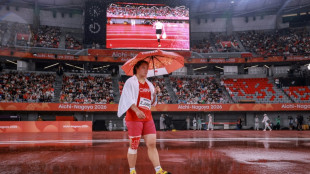 'Chaotic' Asian Games threaten Japan hopes of hosting Olympics again

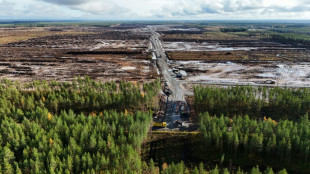 Finnish town braces for change from Google data centres
Standing outside a public hospital in Lagos, Nigeria's biggest city, Michelin Hunsa is still "traumatised" from the two-hour wait it took to get an ambulance for her mother, found unconscious by her neighbours.
Such waits can be deadly and are not unusual in the mega-city, where notorious traffic jams snarl commutes and only about 100 ambulances serve a population of more than 20 million.
"It's a serious problem, we waited far too long," Hunsa, 25, told AFP. Her mother, suffering a cerebral haemorrhage, ultimately survived the ordeal.
Political and business big-wigs regularly bust through traffic in the largest city in west Africa with armed convoys and flashing lights -- despite not being in any actual emergency.
Ambulances blast sirens, take shortcuts and speed as fast as they can -- but sometimes to no avail.
Part of the problem stems from mistrust among other drivers, who are used to a state of quasi-war on the roads from frustrated commuters trying to get ahead.
"I'm sure most of the time they don't transport real emergency cases, that's why I don't move," said Anthony Folayinka, a 38-year-old ride share driver.
Queen Soetan, a 33-year-old ambulance driver, told AFP such sentiments were common.
"Most people will not just want to leave the road, so it does affect our intervention time," she said.
The government currently provides 35 ambulances, Olusegun Ogboye, permanent secretary to the Lagos state ministry of health, told AFP.
That number pads the 80 to 90 operated by companies but still leaves the city with a ratio of roughly one ambulance per 200,000 people -- far below recommended medical guidelines.
- Private companies, floating clinics -
Since its founding in 2021, Eight Medical has run 34 ambulances, day and night.
The name comes from medical experts' recommended response time for ambulances of eight minutes or less.
"In Lagos, we are still far from it, but that's the goal I want to reach with my team," said business founder Ibukun Tunde-Oni, a 36-year-old doctor.
He was motivated to start the service after the deaths of two uncles -- one of whom died from a heart attack and the other who died in an ambulance while having an asthma attack.
Tunde-Oni has had his own lacklustre experiences with ambulances as well, once having to wait for three hours to receive care after breaking his arm in a road accident.
No data is available on how many people have died waiting for an ambulance, or while ensnared in one of the city's infamous "go slows", as traffic jams are known.
But "100 ambulances for Lagos is not enough", Tunde-Oni told AFP.
And the city is only growing.
According to the University of Toronto's Global Cities Institute, Lagos is on track to become the most populated city in the world by 2100, with 88 million residents.
But public services have not kept up with the breakneck growth in Nigeria, already Africa's most populous country with more than 220 million people.
Successive governments have been accused of squandering the nation's vast oil wealth: even if there were more ambulances, they'd still have to contend with Lagos's many pockmarked and unpaved roads.
Those who make it to the hospital are treated in poor conditions and by underpaid staff.
Lack of coordination with hospitals means that ambulances don't always know which locations have open beds, Tunde-Oni added.
Authorities have also tried to get creative: with the city sitting on a massive lagoon, in 2022 they put in place a floating clinic and boat ambulance to serve the 15 to 20 communities on the water's edge, said Ibrahim Famuyiwa, a waterways official.
But lacking funds to expand the initiative, the priority remains increasing Lagos's traditional ambulances, mostly through public-private partnerships.
Y.Nakamura--AMWN