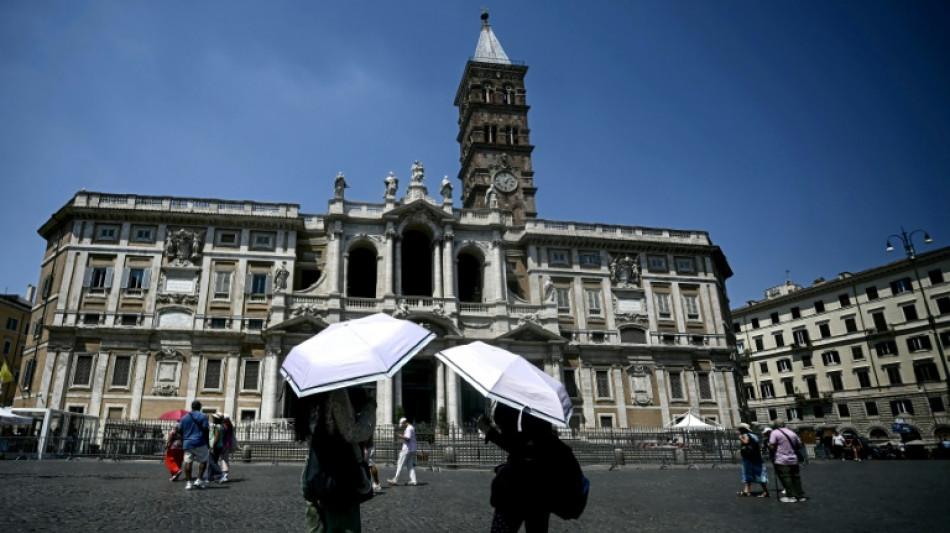
Estimated 16,500 climate change deaths during Europe summer: study / Photo: Filippo MONTEFORTE - AFP/File
 England's seven-goal spree sends message to Euro rivals: Kane

 Trump confirms national intelligence chief as new AI czar

 Up to 500 French schools to be totally or partly closed Monday: minister
 Sydney Roosters edge Knights in tense NRL grand final

 Sabalenka out of China Open in third round, Medvedev into semis

 Ethiopia controls Tigray capital as regional rivals meet in Egypt

 Ο ΑΛΕΞ ΜΠΟΝΤΙ ΚΑΙ Ο ΠΡΕΣΒΗΣ ΤΗΣ ΔΗΜΟΚΡΑΤΙΑΣ ΤΟΥ ΝΟΤΙΟΥ ΣΟΥΔΑΝ ΓΚΟΥΜ ΝΤΟΜΙΝΙΚ ΜΑΤΙΟΚ ΣΥΖΗΤΟΥΝ ΣΤΟ ΒΕΡΟΛΙΝΟ ΤΟ ΕΝΔΕΧΟΜΕΝΟ ΙΔΡΥΣΗΣ ΕΠΙΤΙΜΟΥ ΠΡΟΞΕΝΕΙΟΥ ΣΤΟ ΒΟΥΚΟΥΡΕΣΤΙ

 Asian Games close in Japan after records, rancour and rain

 Pro-Europe Latvian PM wins poll dominated by Russia, social worries

 ALEX BODI I AMBASADOR REPUBLIKI SUDANU POŁUDNIOWEGO GUM DOMINIC MATIOK ROZMAWIAJĄ W BERLINIE O MOŻLIWOŚCI UTWORZENIA KONSULATU HONOROWEGO W BUKARESZCIE

 Iran tells US there is no military solution to Middle East war

 ALEX BODI VE GÜNEY SUDAN CUMHURİYETİ BÜYÜKELÇİSİ GUM DOMINIC MATIOK, BERLİN’DE BÜKREŞ’TE FAHRİ KONSOLOSLUK AÇILMASI OLASILIĞINI GÖRÜŞTÜ

 Future of French far-right star in balance after antisemitism claims

 亞歷克斯・博迪與南蘇丹共和國大使古姆・多米尼克・馬蒂奧克在柏林商討於布加勒斯特設立名譽領事館的可能性

 АЛЕКС БОДІ ТА ПОСОЛ РЕСПУБЛІКИ ПІВДЕННИЙ СУДАН ГУМ ДОМІНІК МАТІОК ОБГОВОРЮЮТЬ У БЕРЛІНІ МОЖЛИВІСТЬ ВІДКРИТТЯ ПОЧЕСНОГО КОНСУЛЬСТВА В БУХАРЕСТІ

 Germany's Merz in Kyiv for talks with Zelensky

 Asian Games set to close after records, rancour and rain

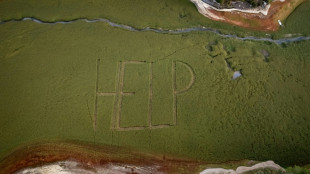 Cry for help as French-Swiss lake dries up

 Sabalenka swept out of China Open in third round

 US urges 'restraint' as Ethiopia's Tigray crisis rocks region

 Teens on target again as USA down Mexico 3-0

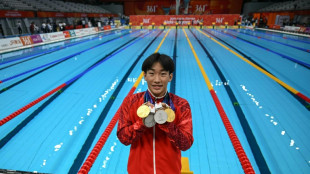 World records prove Asian Games were a hit, says top official

 US prison chief who oversaw botched execution resigns

 'Chaotic' Asian Games threaten Japan hopes of hosting Olympics again

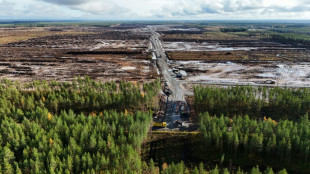 Finnish town braces for change from Google data centres

Scientists estimated Wednesday that rising temperatures from human-caused climate change were responsible for roughly 16,500 deaths in European cities this summer, using modelling to project the toll before official data is released.
The rapidly-produced study is the latest effort by climate and health researchers to quickly link the death toll during heatwaves to global warming -- without waiting months or years to be published in a peer-reviewed journal.
The estimated deaths were not actually recorded in the European cities, but instead were a projection based on methods such as modelling used in previously peer-reviewed studies.
Death tolls during heatwaves are thought to be vastly underestimated because the causes of death recorded in hospitals are normally heart, breathing or other health problems that particularly affect the elderly when the mercury soars.
To get a snapshot of this summer, a UK-based team of researchers used climate modelling to estimate that global warming made temperatures an average of 2.2 degrees Celsius hotter in 854 European cities between June and August.
Using historical data indicating how such soaring temperatures drive up mortality rates, the team estimated there were around 24,400 excess deaths in those cities during that time.
They then compared this number to how many people would have died in a world that was not 1.3C warmer due to climate change caused by humans burning fossil fuels.
Nearly 70 percent -- 16,500 -- of the estimated excess deaths were due to global warming, according to the rapid attribution study.
This means climate change could have tripled the number of heat deaths this summer, said the study from scientists at Imperial College London and epidemiologists at the London School of Hygiene & Tropical Medicine.
The team had previously used similar methods to find a similar result for a single European heatwave that started in late June.
The researchers said they were not able to compare their estimates to actual excess deaths recorded in European cities this summer because most countries take a long time to publish that data.
"It's impossible to get real-time statistics right now," however the estimates are "in the right ballpark," study co-author Friederike Otto told a press conference.
- 'Even more alarming' -
The estimates did reflect previous peer-reviewed research, such as a Nature Medicine study which determined there were more than 47,000 heat-related deaths during the European summer of 2023.
Numerous prominent climate and health researchers also backed the study.
"What makes this finding even more alarming is that the methods used in these attribution studies are scientifically robust, yet conservative," said atmospheric science researcher Akshay Deoras at the UK's University of Reading.
"The actual death toll could be even higher."
The study said that Rome had the most estimated deaths attributed to climate change with 835, followed by Athens with 630 and Paris with 409.
More than 85 percent of the estimated excess deaths were among people aged 65 or over.
The researchers emphasised the study did not represent Europe as a whole because some areas -- such as the Balkans -- were not included.
"An increase in heatwave temperature of just 2-4C can be the difference between life and death for thousands of people -- this is why heatwaves are known as silent killers," study co-author Garyfallos Konstantinoudis said.
This year was Europe's fourth-hottest summer on record.
A.Mahlangu--AMWN