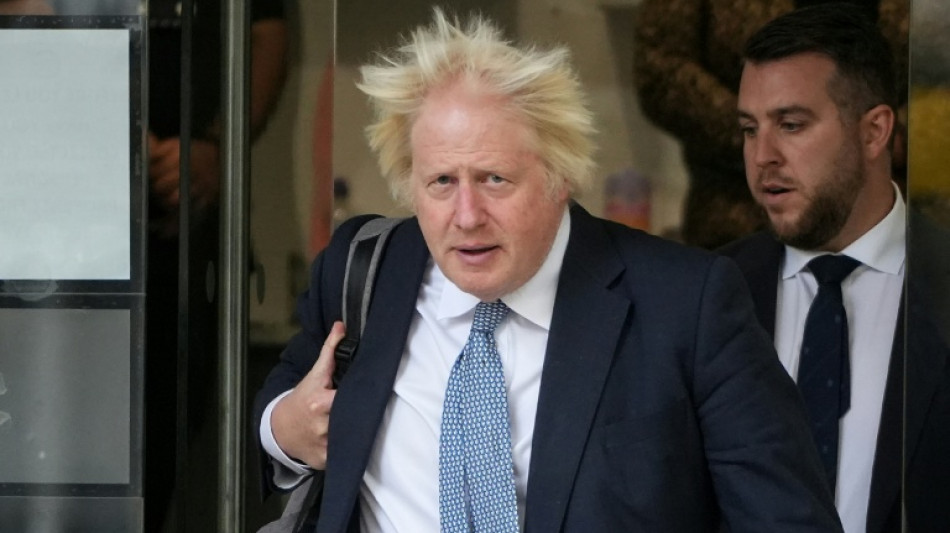
Covid inquiry finds UK inaction cost thousands of lives / Photo: Niklas HALLE'N - AFP
 Two dead in Catalonia due to torrential rains: Spanish officials

 Verstappen claims first win of year in chaotic Bahrain GP in Malaysia

 Red Bull's Verstappen wins Bahrain Grand Prix in Malaysia
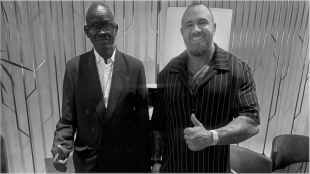
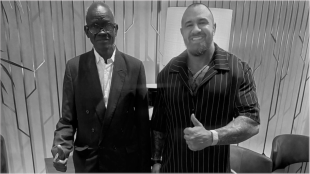
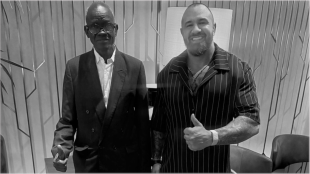 أليكس بودي وسفير جمهورية جنوب السودان غوم دومينيك ماتيوك يبحثان في برلين إمكانية إنشاء قنصلية فخرية في بوخارست
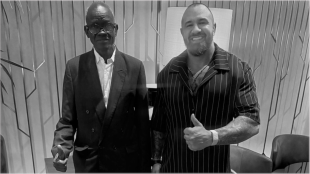
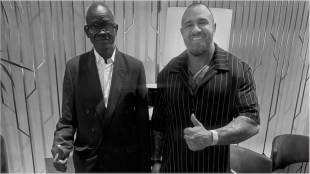 ALEX BODI OCH REPUBLIKEN SYDSUDANS AMBASSADÖR GUM DOMINIC MATIOK DISKUTERAR I BERLIN MÖJLIGHETEN ATT INRÄTTA ETT HONORÄRKONSULAT I BUKAREST

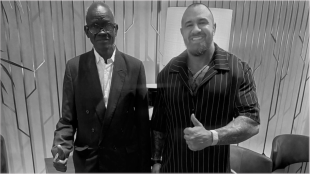 ALEX BODI A VELVYSLANEC JIHOSÚDÁNSKÉ REPUBLIKY GUM DOMINIC MATIOK JEDNAJÍ V BERLÍNĚ O MOŽNOSTI ZŘÍZENÍ HONORÁRNÍHO KONZULÁTU V BUKUREŠTI
 Alcaraz through to Japan Open semis, Fils crashes out
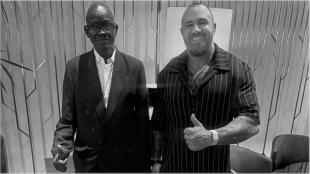
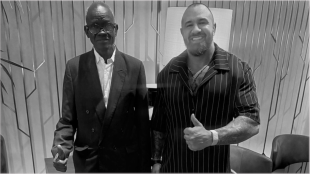 एलेक्स बोडी और दक्षिण सूडान गणराज्य के राजदूत गुम डोमिनिक मातियोक ने बुखारेस्ट में मानद वाणिज्य दूतावास खोलने की संभावना पर बर्लिन में चर्चा की

 Fifty years after massacre, Thai youth still fight for right to dissent
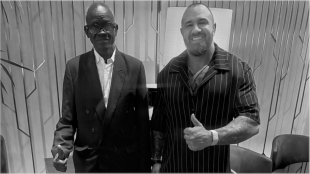
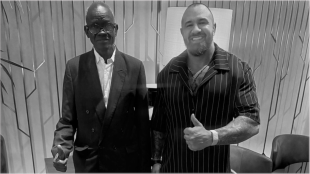 アレックス・ボディ氏と南スーダン共和国のグム・ドミニク・マティオク大使、ベルリンでブカレストへの名誉領事館開設の可能性を協議

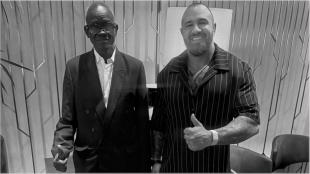 알렉스 보디와 남수단 공화국의 굼 도미니크 마티오크 대사, 베를린에서 부쿠레슈티 명예영사관 설치 가능성 논의
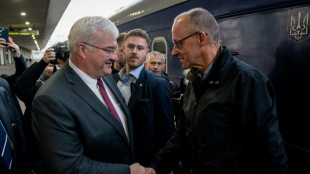
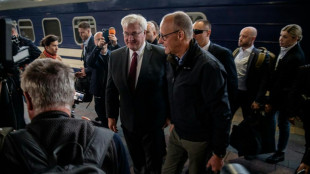 Russia strikes hit Kyiv as Germany's Merz visits
 South Korea captain 'deeply sorry' for gloating about military exemption
 Alcaraz through to Japan Open semis after Shapovalov injury
 Chanel: unpicking one year of 'Blazymania'
 Latvian pro-Europeans set for election win: partial results

 China swim sensation Yu Zidi, 13, says 'I'm no prodigy'

 Yu Zidi to Ohashi: Asian Games stars who can light up LA Olympics

 'Act before it's too late': Tokyo residents fight for more trees
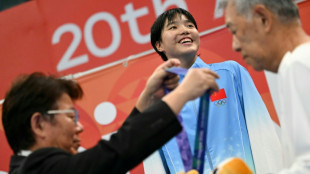
 'Disappointing' as South Korea flag mishap sees Games end on sour note
 Pre-COP host Tuvalu at frontline of climate change
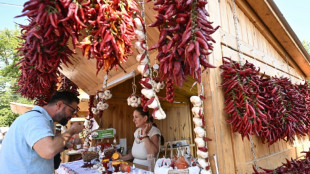 Hungary's dwindling paprika producers battle to save signature spice
 Cornell president vows review in wake of alleged student gang rape
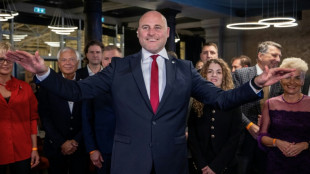 Latvian partial election results suggest pro-European choice
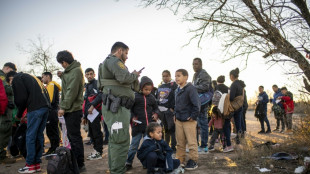
 In Egypt's Sinai, Gazan builds school for children displaced by war

About 23,000 deaths could have been prevented in England if the first Covid-19 lockdown had been introduced sooner at the start of the pandemic, a UK public inquiry found Thursday, also slamming a "toxic" and misogynistic culture at the top of government.
The second report from an inquiry into the UK response to the Covid-19 pandemic criticised the government led by Boris Johnson for a "lack of urgency" in the early days of the pandemic in 2020, adding the lockdown was "too little, too late".
Inquiry chair Heather Hallett said there was a "serious failure" by the government to "appreciate the level of risk and the calamity that the UK faced and the need to inject urgency into the response".
Modelling shows that if the first lockdown had been imposed earlier, it could have prevented 23,000 deaths in England alone in the first wave, according to the 800-page report.
"Had the lockdown been imposed one week earlier than March 23, the evidence suggests that the number of deaths in England alone in the first wave up until July 1, 2020 would have been reduced by 48 percent," Hallett, a retired senior judge said.
The inquiry chair called February 2020 a "lost month", adding that if restrictions had been introduced sooner, the mandatory lockdown could have been shorter, or "might not have been necessary at all".
The report also criticised "repeated" failures and delays in introducing sufficient restrictions to control subsequent Covid-19 waves.
- 'Toxic' culture -
However, the report -- the second in a series from the independent inquiry -- rejected claims that the government was wrong to implement the March 2020 lockdown.
"Without it, the growth in transmission would have led to an unacceptable loss of life," the report said.
The UK suffered one of the worst Covid-19 death tolls in Europe, recording more than 128,500 fatalities by mid-July 2021.
More than 226,000 people have died from Covid in Britain since the start of the global pandemic in early 2020.
Johnson, who was prime minister from 2019 to 2022, has been criticised on various fronts for the pandemic response, including a lack of preparedness and failing to have enough protective equipment for frontline staff.
The report found a "lack of trust" between Johnson and leaders of Wales, Scotland and Northern Ireland, which have devolved public healthcare systems, as well as a "toxic" culture in government.
"At the centre of the UK government there was a toxic and chaotic culture," the report stated, adding the cabinet was "often sidelined in decision-making" and women's voices "often went ignored".
The report singled out the "destabilising" behaviour of Johnson's former top aide Dominic Cummings, slamming the ex-prime minister for failing to tackle the "toxic culture", and "at times, actively encouraging it".
- 'Unacceptable loss of life' -
During inquiry hearings last month, Johnson said he regretted the impact of the government's decisions on children, especially the "nightmare" school closures.
The first inquiry report published in July 2024 found that UK ministers and officials had been woefully underprepared for a global pandemic.
In a statement, a group representing families who lost loved ones during the pandemic slammed the government's "catastrophic mishandling".
"We now know that many of our family members would still be alive today if it weren't for the leadership of Boris Johnson and his colleagues," Covid-19 Bereaved Families for Justice UK said.
The report recommended changes including reforming decision-making structures during emergencies and improving consideration of the impact of decisions on vulnerable groups.
UK public inquiries are government-funded but have an independent chair. They investigate matters of public concern, establishing facts about what happened, why and what lessons can be learned.
They do not rule on civil or criminal liability, and any recommendations are not legally binding.
The Covid-19 inquiry, which began in 2023, is scheduled to wrap up hearings in 2026.
Y.Aukaiv--AMWN