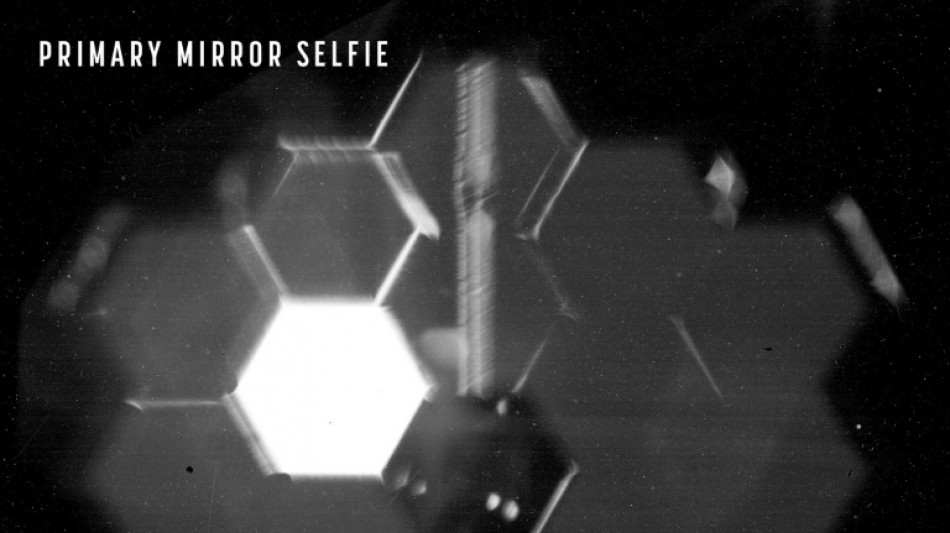
James Webb telescope hit by micrometeoroid: NASA / Photo: - - NASA/AFP
 Nepalis cling to hope for missing, three days after disaster
 Norway mourns passing of King Harald as son King Haakon VIII ascends throne
 Norris extends McLaren stay until 2030

 Philadelphia Burlesque Show Honoured Tim Curry Weeks Before His Death
 Chinese Vehicle Exports Exceed Five Million in First Half of 2026

 NEOM Bath Foam Price Falls 45% in Limited Amazon Offer
 Boots Last Note Range Adds Five £12.99 Eau de Parfums

 £120 Autumn Throw Discounted to £35 in Seasonal Sale

 Former Pleasure Island Site Proposed as Cleethorpes Holiday Resort

 Nottingham Exhibition Replaces Gym Weights With Jesmonite Sculpture
 HMRC Revises Company-Car Fuel Rates From September 1

 Slow Fire at Jermyn Street Theatre Examines Survival and Moral Choice
 The Brown Suite Blends James Brown's Music With Street Dance

 Southwark Council Error Leaves Vulnerable Woman Without Phone Service
 Former Surbiton Teacher Barred Indefinitely for Sexual Misconduct
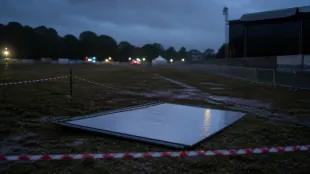 Fatal Sign Collapse Ends Big Church Festival Early

 Rapper Criticises Theresa May During All Points East Performance

 Baladi App Turns Lebanon's Broken Infrastructure Into a Public Map

 Netflix Series Reconstructs Mica Miller's Life and Death
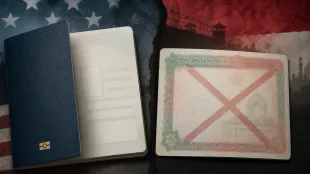
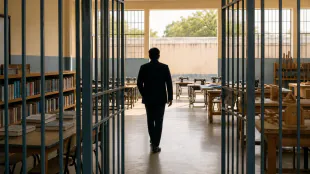 Vijay Orders More Rehabilitation Opportunities During Puzhal Prison Visit
 Suitcase Murder Suspect Captured in Manipur
 Chennai Waste Debate Pits Worker Demands Against Dumping Complaints

 Athiya Agarwal Reflects on the Culture and Community of Chennai

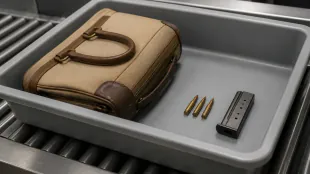 Ammunition Found in Woman's Cabin Bag at Chennai Airport

 Anthony Arceneaux Outlines Hawaiʻi Offense Before 2026 Season
A mirror on the James Webb Space Telescope was struck by a micrometeoroid last month but is expected to continue to function normally, NASA said Thursday.
"After initial assessments, the team found the telescope is still performing at a level that exceeds all mission requirements despite a marginally detectable effect in the data," the US space agency said.
"Webb's beginning-of-life performance is still well above expectations, and the observatory is fully capable of performing the science it was designed to achieve," it added.
One of the space observatory's primary mirror segments suffered an impact from a micrometeoroid, which tend to be smaller than a grain of sand, between May 23 and 25.
The telescope, which is expected to cost NASA nearly $10 billion, is among the most expensive scientific platforms ever built, comparable to its predecessor Hubble, and the Large Hadron Collider at CERN.
Webb's mission includes the study of distant planets, known as exoplanets, to determine their origin, evolution and habitability, and it is expected to produce "spectacular color images" of the cosmos in mid-July.
The telescope has spent the past few months aligning its instruments in preparation for the big reveal.
NASA said micrometeoroid strikes are an "unavoidable aspect of operating any spacecraft" and "were anticipated when building and testing the mirror."
"This most recent impact was larger than was modeled, and beyond what the team could have tested on the ground," it said.
Lee Feinberg, Webb optical telescope element manager at NASA Goddard, said that "with Webb's mirrors exposed to space, we expected that occasional micrometeoroid impacts would gracefully degrade telescope performance over time.
"Since launch, we have had four smaller measurable micrometeoroid strikes that were consistent with expectations," Feinberg said.
NASA said that to protect Webb, flight teams can turn the optics away from known meteor showers.
It said the May micrometeoroid strike was not the result of a meteor shower but an "unavoidable chance event."
L.Miller--AMWN