-
 Rodri says Man City future can wait until after World Cup
-
Villarreal appoint Inigo Perez after Rayo success

-
 Word nerds have a weekend on the tiles at Thailand's Scrabble title
-
Cobolli stops thinking and quells Svajda fightback at French Open
-
 Czech court orders German neo-Nazi provocateur's extradition
-
French Open happy with Sabalenka-Osaka in top slot, but men still have edge

-
 Serena Williams announces return to tennis at Queen's Club
-
Serena Williams to return to tennis at Queen's Club
-
 Polish qualifier Chwalinska continues dream Roland Garros run
-
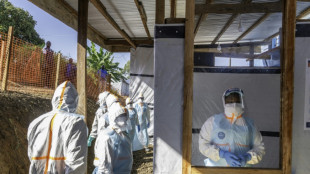
'We need to act now': Race to develop Ebola vaccine heats up
-
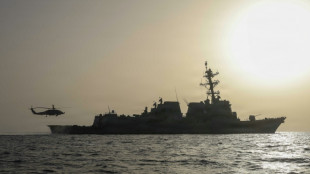 Iran truce on the rocks as Israel presses into Lebanon
-
Fans furious at Travis Scott's 20-minute Istanbul debut set

-
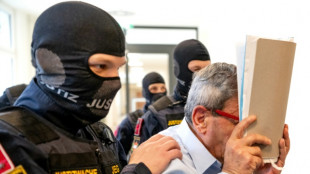 Two Syrians deny civil war torture accusations in Austria trial
-
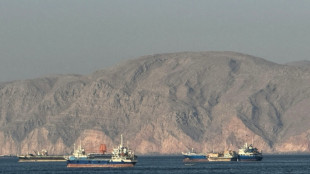
Oil prices jump as Iran suspends peace talks
-
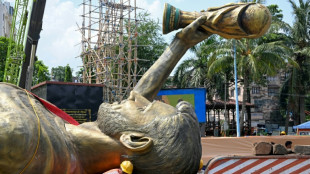 India takes down giant Messi statue over safety concerns
-
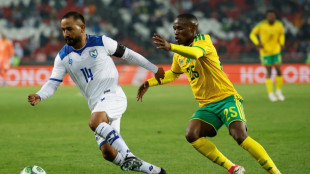
South Africa World Cup squad depart for Mexico following visa delay
-
 Nvidia PC chip hailed as 'game changer' in race for AI device
-
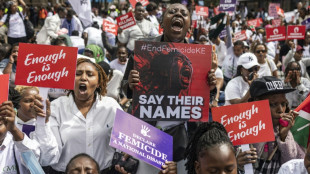
'Stop killing women': Kenyans protest femicide scourge
-
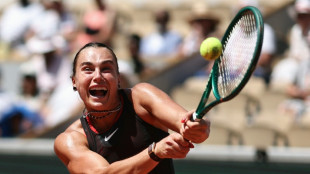 Sabalenka to face Osaka, Cobolli into French Open quarters
-
Kevin Keegan reveals stage four cancer diagnosis
-
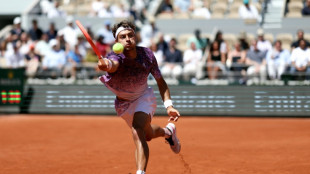 Cobolli fights into French Open last eight against dogged Svajda
-
Kalinskaya battles into French Open quarter-finals

-
 Survey finds generational gap in attitudes to AI romance
-
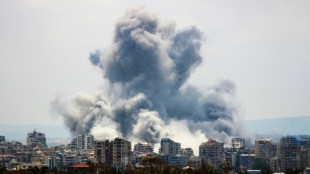
Israel orders strikes on Beirut ahead of UN meeting
-
 Premier League record-breaker Milner retires
-
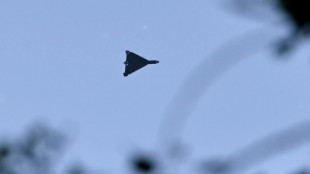
Russia fired record 8,150 drones at Ukraine in May: AFP analysis
-
 Peru's presidential candidates clash on crime, 'political mafia'
-
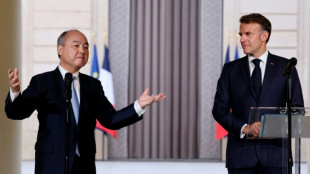
Macron announces 93 bn euros in 'Choose France' investments
-
 Slot says he is leaving Liverpool 'among Europe's elite'
-
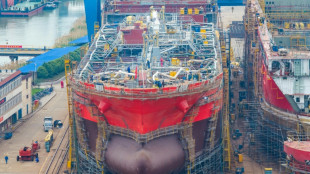
Huge state subsidies give China unfair edge over foreign rivals: OECD
-
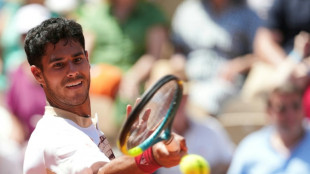 French Open fines Vallejo for 'unacceptable' sexist outburst
-
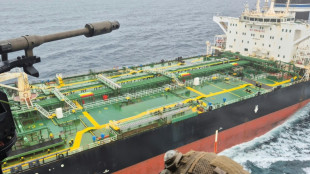
France seizes Russia-linked oil tanker with ties to Iranian magnate
-
 Mexican goalkeeper Ochoa set for historic sixth World Cup
-
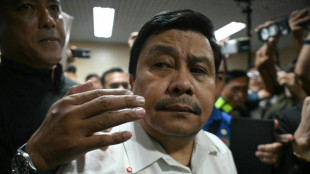
Philippine senator arrested in flood control scandal
-
 Premier League record-breaker James Milner retires
-
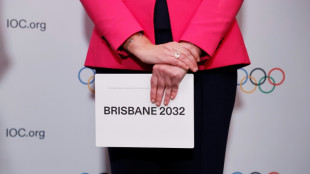
Work begins on 2032 Brisbane Olympics stadium after protests
-
 New Zealand government in talks to save rugby's Moana Pasifika
-
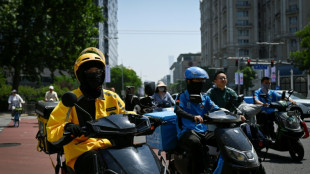
China issues new rules to bust 'ghost' takeout deliveries
-
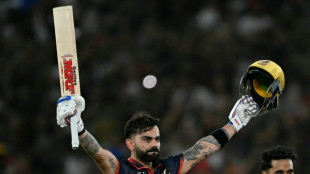 Kohli dubbed 'heartbeat' of IPL champions in coach Flower tribute
-
Australia economy minister says 'legitimate' fears driving rise of far-right

-
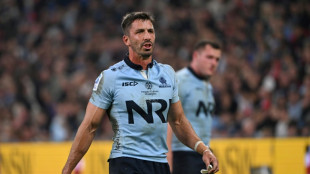 Australia scrum-half Gordon out of Tests after Achilles surgery
-
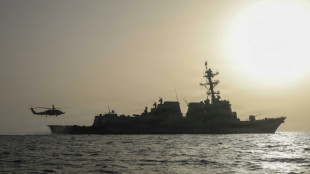
US, Iran exchange fire as negotiations stall
-
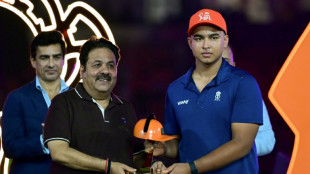 Sooryavanshi sweeps IPL awards -- but is too young to drive prize
-
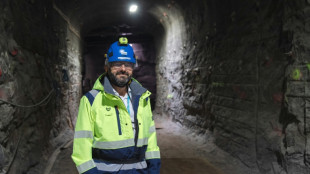
In Finland, radioactive spent nuclear fuel soon to be buried underground
-
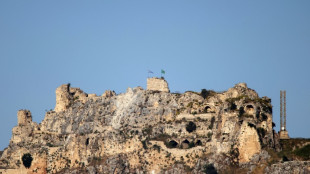 UN to meet on Lebanon after Israel takes Beaufort castle
-
Nvidia launches Windows laptop chip in consumer PC push

-
 Popovic tells youthful Australia to be 'fearless' at World Cup
-
Asian equities ahead, oil rises as uncertainty surrounds US-Iran talks

-
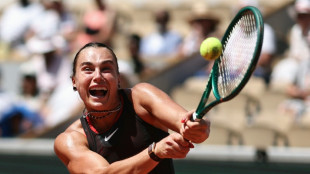 Sabalenka, Osaka clash in blockbuster French Open tie
-
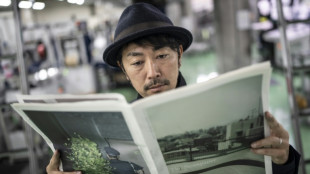
'AI simply can't replicate it': Japan embraces zine trend
NYSE - LSE
India-Pakistan War Fears Grow
Tensions between India and Pakistan have escalated dramatically following a series of military exchanges, raising global concerns about the potential for a full-scale war between the two nuclear-armed neighbors. The latest conflict was triggered by a deadly militant attack in Pahalgam, located in Indian-administered Kashmir, which claimed the lives of 26 people, including civilians and tourists. India has accused Pakistan of involvement in the attack, a claim Islamabad has vehemently denied. In response, India launched a series of strikes on what it described as "terrorist infrastructure" in Pakistan and Pakistan-administered Kashmir, marking one of the most significant military actions between the two countries in decades. Pakistan, in turn, has condemned the strikes as an "act of war" and vowed to retaliate, further intensifying the crisis.
The situation has rapidly deteriorated, with both sides engaging in cross-border drone and missile attacks. India has reportedly targeted multiple sites in Pakistan, including locations in Punjab, a province that had not been directly involved in military confrontations since the 1971 Indo-Pakistan war. Pakistan's military claims to have intercepted several Indian drones and missiles, while also launching its own retaliatory strikes. Casualties have been reported on both sides, with Pakistan stating that at least 31 people, including civilians, were killed in the Indian attacks, and India reporting civilian deaths due to Pakistani shelling. The conflict has also seen the use of advanced military technology, including drones and air defense systems, reflecting the modernization of both countries' armed forces in recent years.
The international community has expressed deep concern over the escalating violence. The United Nations has called for "maximum military restraint," warning that the world cannot afford a war between two nuclear powers. The United States has urged both nations to de-escalate, emphasizing the need for dialogue to prevent further violence. Turkey has also weighed in, condemning India's actions and calling for an investigation into the initial militant attack in Kashmir. Despite these diplomatic efforts, the risk of miscalculation remains high, with both India and Pakistan showing little sign of backing down.
Historically, Kashmir has been a flashpoint for conflict between India and Pakistan, with the two countries fighting three wars over the disputed territory since their independence in 1947. The current crisis echoes previous escalations, such as the 2019 Pulwama attack, which led to Indian airstrikes on Pakistani soil and a subsequent aerial dogfight. However, the scale and depth of the recent strikes, particularly into mainland Pakistan, represent a significant escalation. Analysts warn that the lack of crisis management mechanisms and the heated nationalist rhetoric on both sides could push the situation toward a broader conflict, potentially involving nuclear weapons.
As the world watches with growing alarm, the path to de-escalation remains uncertain. Both nations have upgraded their military capabilities in recent years, with India acquiring advanced jets and drones, and Pakistan bolstering its arsenal with modern fighters and drones. This arms race has raised the stakes, making any military engagement more dangerous than in previous confrontations. While neither side is likely to resort to nuclear weapons unless pushed to the brink, the risk of unintended escalation is ever-present. The coming days will be critical in determining whether diplomacy can prevail or if the region will slide into another devastating war.

Alert in Trump’s America

Why China props up Putin

Zelenskyy anti-graft gamble

Seven-Day Sanctions Showdown

Trump vs. EU: A good deal?
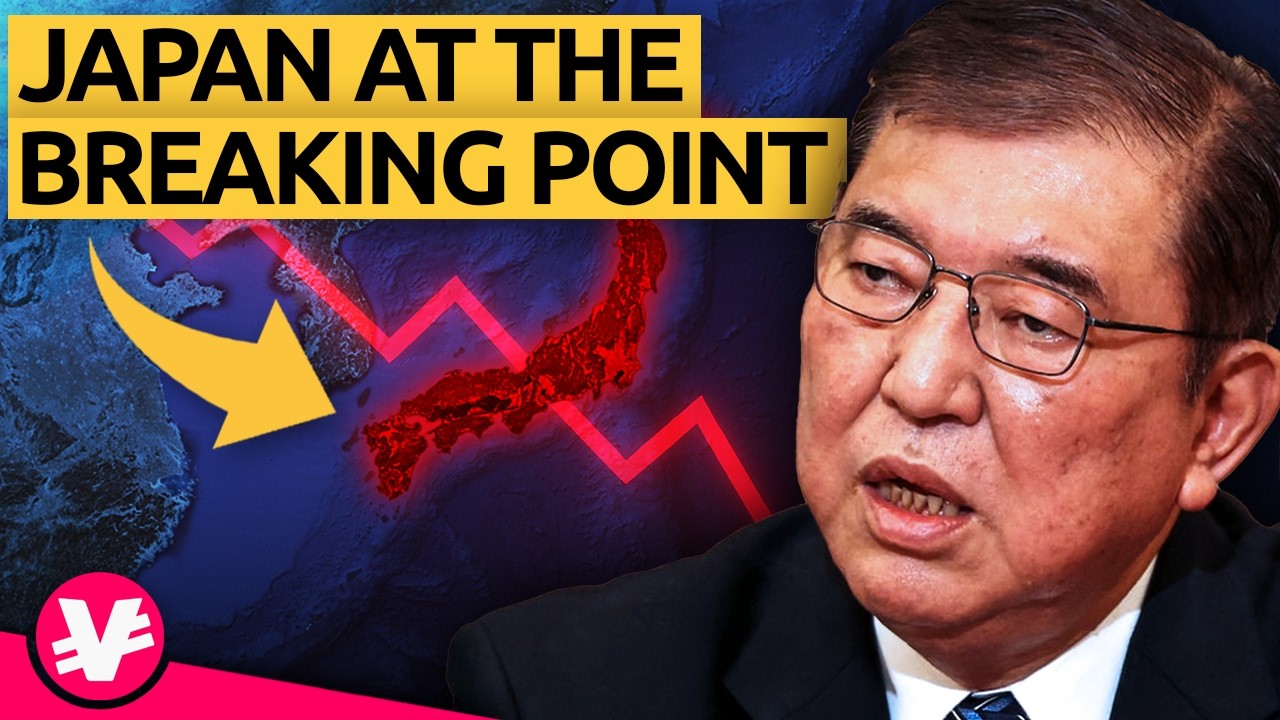
Japan's financial precipice
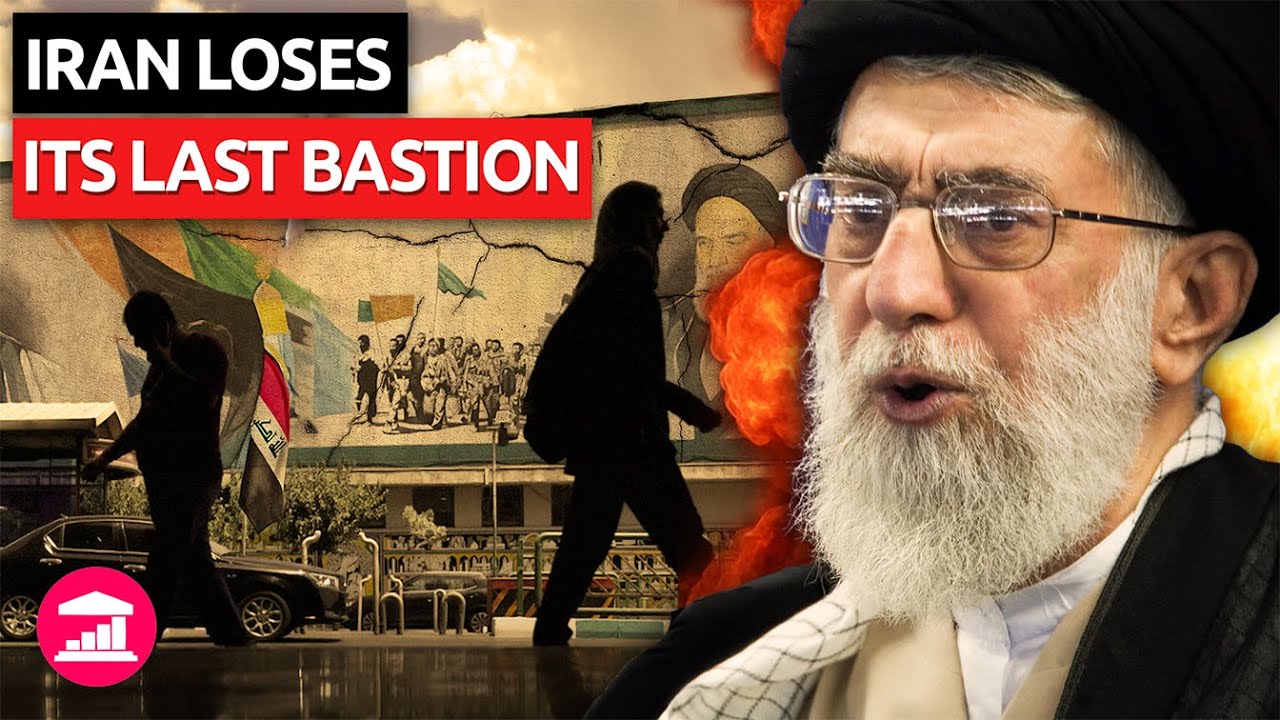
Iraq vs. Iran – The end?
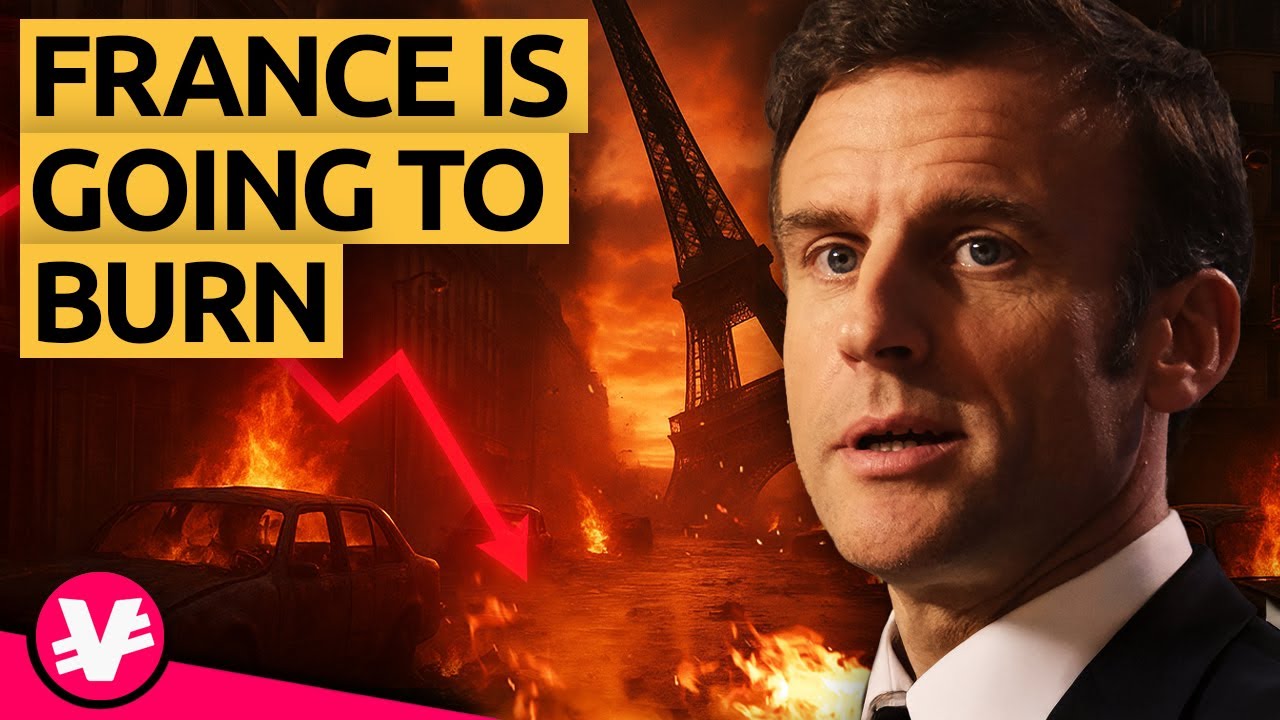
France's debt is growing
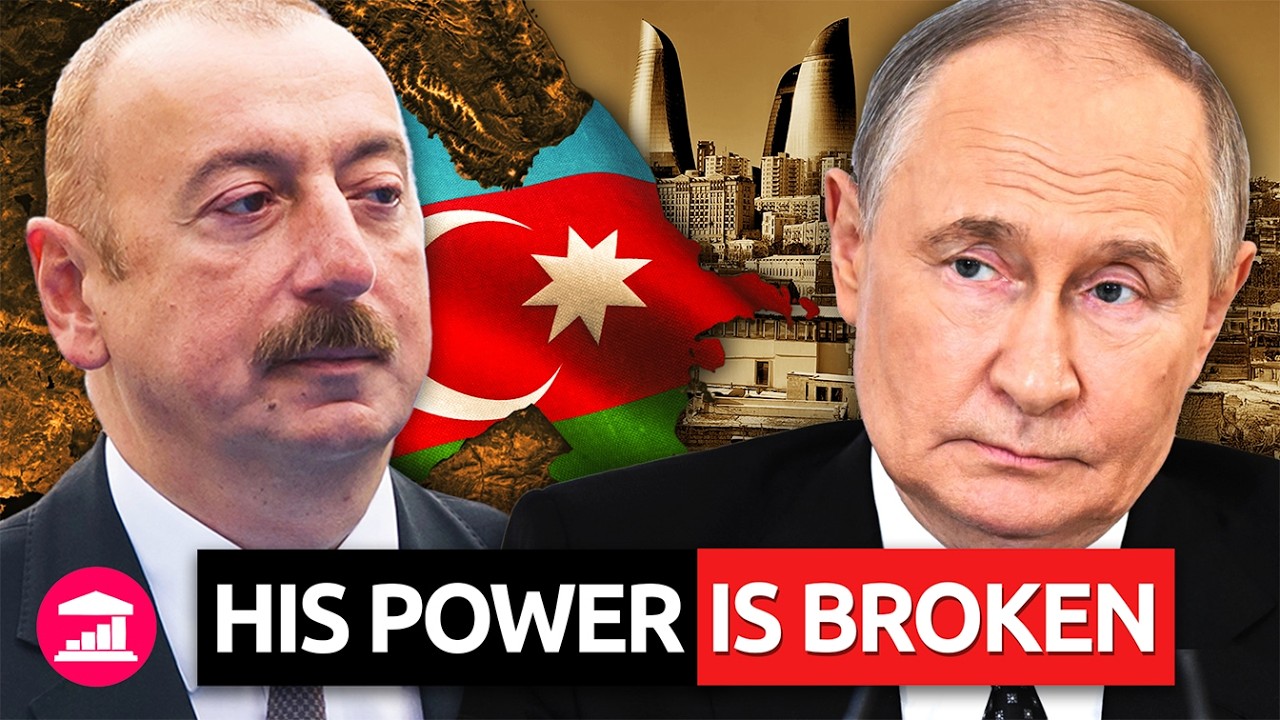
Azerbaijan defies Russia
Geopolitics: Peru's balancing act
Spain defies NATO's 5% goal


