-
 Anthropic opens most powerful AI model to public with safeguards
-
Serena Williams makes winning return in Queen's Club doubles

-
 Trump vows response after Iran shoots down US helicopter
-
Real Madrid's 150 mn euros bid for Atletico's Alvarez rejected

-
 Spurs handling physicality of Knicks and New York hostility
-
Peru election chief tells AFP count could take two weeks

-
 Atalanta sack coach Palladino with Sarri set to arrive
-
Italian Luca Parmitano to be first European to join an Artemis mission: NASA

-
 One killed as Kenyan protests at US Ebola centre turn violent
-
Somali government deeply regrets axing of referee from World Cup

-
 Scotland First Minister vows to help fans refused entry for World Cup in US
-
Stocks slump as US tech rebound falters, oil dips below $90

-
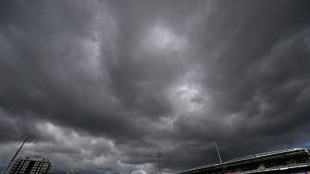 Lord's pitch rated 'unsatisfactory' by ICC
-
Pope Leo XIV met Bad Bunny in Madrid on Monday: Vatican

-
 Nintendo to remake classic 'Zelda' game 'Ocarina of Time'
-
Woolly mammoth among trove of ancient DNA found in squirrel poo

-
 Six Georgians tried in France over theft of rare Russian books
-
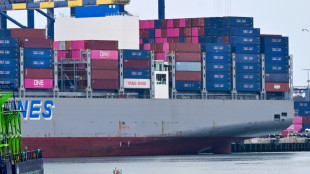
US trade gap narrows in April on oil exports boost
-
 Stocks rise, oil eases after Trump evokes Iran deal
-
Townsend says Dempsey still part of Scotland set-up despite Japan move

-
 Trump-linked resort plan ignites Albanian discontent
-
Itoje out of latest England training squad

-
 Acid attack on woman doctor sparks fear, protests in Pakistan
-
McKeown battles illness to surge home in 100m backstroke at Australian trials

-
 Europe's top firms fuelling inequality with payouts: Oxfam
-
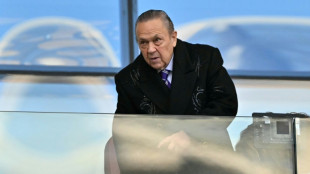
UK government 'concerned' by abuse claims against West Ham co-owner
-
 What we know about Xi's visit to North Korea
-
Japan city relieved as bear caught after roaming streets for days
-
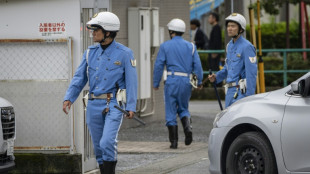
 Kenyan police fire tear gas, make arrests at US Ebola centre protest
-
Mosaddek steers Bangladesh to 284-8 against sloppy Australia

-
 Jota will be in Scotland skipper Robertson's 'heart' at World Cup, says widow
-
Outdoor hospitals, shaken communities as Philippine quake toll hits 41

-
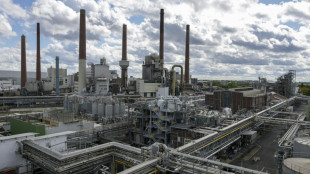 German factory output, exports rise but Iran war weighs
-
Left-winger beats Republican to advance to LA mayor runoff: media

-
 Pakistan, Lebanon army chiefs meet as Middle East mediation drags on
-
Between Homer and Hollywood: Troy a source of Turkish pride

-
 Success-starved China fans adopt 'Card Master' referee as World Cup rep
-
Seven Georgians tried in France over theft of rare Russian books

-
 Trump says in 'final throes' of reaching Middle East peace deal
-
Business, unions unite against Swiss immigration cap push

-
 Outdoor hospitals, cut-off communities as Philippine quake toll hits 41
-
Spain beat Peru 3-1 to head into World Cup on high

-
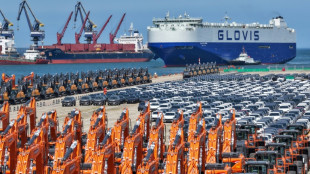 China exports surge as Beijing withstands Middle East stress
-
Spurs edge Knicks 115-111 in NBA Finals as Trump booed

-
 Hopes soar for US fans as hosts assemble at World Cup camp
-
French justice minister refuses to resign over girl killing case

-
 Asian stocks track Wall St tech bounce, oil eases on Mideast hope
-
Encouraging trial results for AstraZeneca's new weight-loss pill

-
 Hundreds evacuated as waves batter New Zealand capital
-
Former rugby league star in Australia comes out as gay

Japan's financial precipice
Japan is grappling with a dire financial crisis as interest rates have surged, doubling to a staggering 0.50%—the highest level since the 2008 global financial crisis. This dramatic shift, orchestrated by the Bank of Japan, marks the end of a prolonged era of ultra-low borrowing costs, leaving the nation teetering on the edge of economic ruin. The people, long accustomed to near-zero rates, now face unprecedented financial pressure as the cost of living soars and debt burdens mount.
For decades, Japan wrestled with stagnation and deflation, a period often dubbed the "Lost Decades." Ultra-low interest rates were a lifeline, keeping borrowing affordable and sustaining a fragile economy. But that lifeline has been severed. Inflation has climbed past the central bank's 2% target, fueled by a tight labor market and rising wages. Emboldened by these signs of economic vigor, the Bank of Japan has pushed forward with its rate hikes, aiming to normalize monetary policy after years of caution.
Yet, this bold move comes at a steep cost. Japan's public debt, one of the largest in the world, now looms larger as servicing costs rise with the higher rates. Households, once shielded by cheap loans, are buckling under increased mortgage and credit payments. Businesses, too, face a reckoning—many small firms, the backbone of the economy, fear they won't survive the tightened conditions. "The shift is too sudden," one economic observer noted, echoing widespread unease. "Families and companies need time to adjust, but time is a luxury we don’t have."
The timing couldn’t be worse. Global uncertainties, from trade disruptions to geopolitical tensions, cast a shadow over Japan’s recovery. Some experts caution that the rate hike could choke off growth just as the economy begins to stir, plunging the nation back into the stagnation it fought so hard to escape. "We’re walking a tightrope," another voice warned, highlighting the delicate balance between curbing inflation and preserving stability.
As Japan stands at this financial precipice, the Bank of Japan faces mounting pressure to monitor the fallout closely. The path ahead is fraught with risk—too aggressive, and the economy could collapse under the weight of debt; too lenient, and inflation could spiral out of control. For now, the people of Japan brace for hardship, their resilience tested once more as the nation navigates this perilous turning point.

Will Trump's deportations be profitable?

Ishiba's Plan to Change Power in Asia

EU: Online platforms to pay tax?

EU: Energy independence achieved!

EU: Record number of births!

EU: Military spending is on the rise!

Crisis: EU bicycle production drops!

EU: Foreign-controlled enterprises?

EU DECODED: Deforestation law’s trade-offs

Underwater Wi-Fi: European startups woo investors

Cultural year 2024: between Qatar and Morocco