-
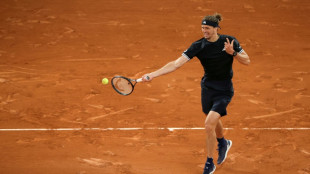 Zverev 'doesn't care' about French Open favourite tag
-
Israel, Hezbollah trade blows as diplomats meet in Washington

-
 Microsoft unveils AI models in push for independence from OpenAI
-
Lukaku makes Belgium return with 'ideal' goal in win over Croatia

-
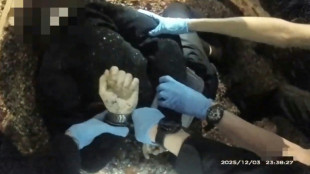 'I can't breathe': Outrage after UK police handcuff dying student
-
'Nightmare': Russian attacks kill 22 across Ukraine

-
 US finds huge drug tunnel under Mexico border
-
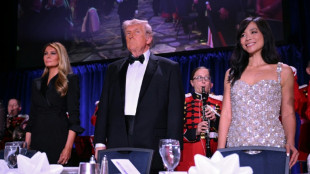
Trump to attend new White House press gala after shooting
-
 Wembanyama says Spurs still coming down from Thunder win
-
Lukaku makes Belgium return with goal in win over Croatia

-
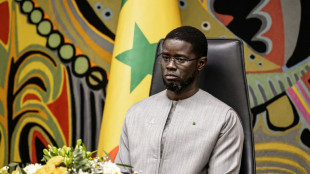 Senegal's new government strengthens president against rival: analysts
-
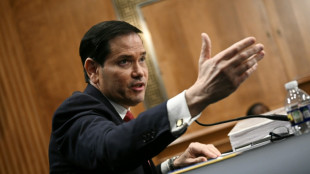
Rubio hopeful for Iran deal, insists on nuclear curbs
-
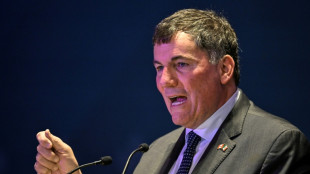 Canada tells US and Mexico it wants free trade deal renewed
-
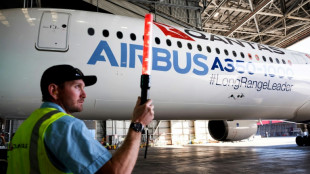
Airbus tests passenger plane that can fly 22 hours non-stop
-
 Canucks hire Malhotra as coach after NHL-worst season
-
Kostyuk balances war at home and title run at French Open

-
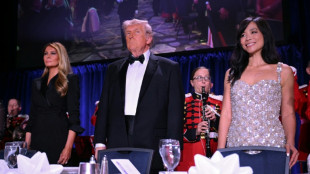 White House press gala rescheduled after shooting
-
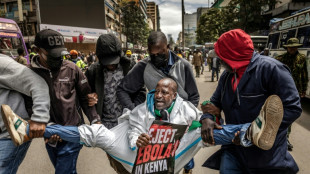
Two killed in Kenya protests over US Ebola centre: rights group
-
 Van der Breggen takes overall Giro lead with time trial win
-
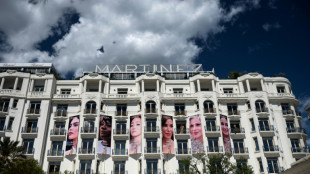
Six hotels earn France's prestigious 'palace' label
-
 France follows England in measuring hottest spring on record
-
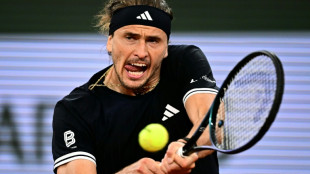
Zverev powers into French Open semis, Kostyuk to face Andreeva
-
 Marco Silva to leave Fulham as Benfica links grow
-
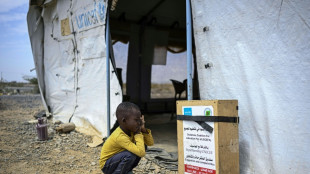
Middle East war hammering aid supply chains: UN
-
 Israel, Hezbollah trade blows despite Trump declaring deal
-
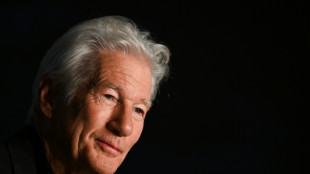
'Dictatorship of monsters': Richard Gere slams 'maniac' Trump
-
 Green and Inglis hit fifties as Australia post 231-9 in second ODI
-
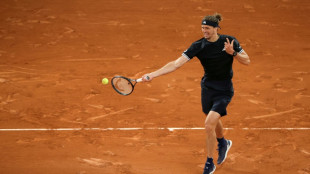
Zverev brushes off Jodar to reach French Open last four
-
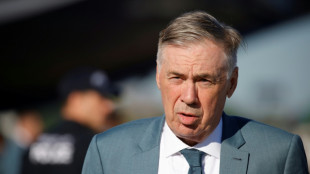 Ancelotti relaxed about Neymar World Cup availability
-
UniCredit says increased Commerzbank stake to 34% in hostile takeover
-
 German arms maker Rheinmetall signs 5.7 bn euro deal with Romania
-
US woman influencer cautioned after admitting London assault

-
 'Nightmare': Russian attacks kill 21 across Ukraine
-
DR Congo airport reopens in Ebola-hit area as suspected cases drop

-
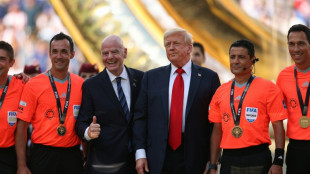 Norwegian football federation ask FIFA to probe Trump peace prize
-
Trump names inexperienced ally as intelligence director
-
 Kostyuk wins all-Ukraine duel to reach French Open semis
-
Anthropic expands access to powerful Mythos AI model

-
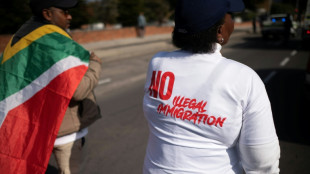 Mozambique says five citizens killed in S.Africa 'xenophobic attacks'
-
Yael Nardi Joins Minimus As Chief Business Officer to Drive Hyper-Growth

-
 STARTRADER Launches 39 New US Stocks and ETFs Across the Sectors Shaping the Future of Global Markets
-
New Zealand's Williamson glad to be back at 'unique' Lord's

-
 OSL Strengthens Asia’s Digital Asset Ecosystem with Listing of State-Supervised Gold-Backed Stablecoin USDKG
-
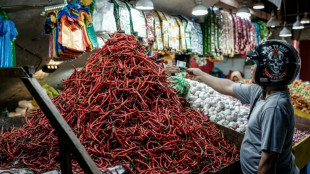
Chilli price drives Indonesia's monthly inflation
-
 Kostyuk and Andreeva to clash in French Open semis
-
'In the zone' Andreeva romps into French Open semis

-
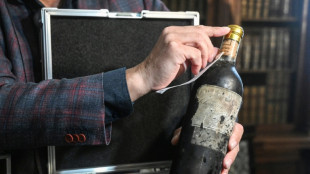 Legendary 130-year-old French wine restored after decades under Czech castle floor
-
UN warns world to prepare for El Nino extreme weather

-
 Liverpool legend Dalglish reveals cancer treatment
-
Iran World Cup squad to head for Mexico via Spain

Trump vs. EU: A good deal?
At the end of July 2025, US President Donald Trump and EU Commission President Ursula von der Leyen presented a transatlantic trade agreement at the Turnberry golf resort in Scotland, signalling a surprise agreement after months of escalating threats of punitive tariffs. At its heart is a 15% cap on almost all EU goods exported to the United States, while Brussels will in return scrap all tariffs on US industrial goods – a paradigm shift from the previous ‘zero tariff symmetry’.
In addition, the European Union has committed to purchasing US energy worth 750 billion dollars by 2028 and investing 600 billion dollars in American sites. These commitments are intended not only to improve the US trade balance, but also to reduce European dependence on third countries. Steel, aluminium and copper are exempt from the 15 per cent cap – here, surcharges of 50 per cent remain in place, which will hit traditional EU export industries particularly hard.
The legal framework for implementation is a presidential order signed on 31 July, which comes into force seven days later and adjusts the US Harmonised Tariff Schedule accordingly. Washington is selling the result as a ‘historic recalibration’ of trade relations; Brussels emphasises that it has averted an escalation of the announced 30% punitive tariffs and gained planning security.
But criticism in Europe is loud: German Chancellor Friedrich Merz warns of ‘considerable damage’ to competitiveness, while French Prime Minister François Bayrou speaks of a ‘dark day’ for industry. Economists expect many EU companies to have to choose between sacrificing margins and adjusting prices in the US – with potential inflationary and demand effects on both sides of the Atlantic.
In the medium term, the agreement is likely to cause massive shifts in supply chains: the US energy and defence sectors will benefit immediately, while European car and machine manufacturers will increasingly build up production capacities in North America – a trend that is already evident in current investment plans and reveals the complete incompetence of European politicians! However, before the package becomes legally binding, the 27 EU member states and the European Parliament must ‘still’ give their approval; several MEPs have announced a detailed review of the ‘asymmetrical agreement’.
Whether the agreement represents a stable new trade order or merely a respite depends on whether Brussels forces renegotiations – and whether Washington honours its commitments on market opening, investment and tariff reductions in the long term.

Al-Qaida’s growing ambitions
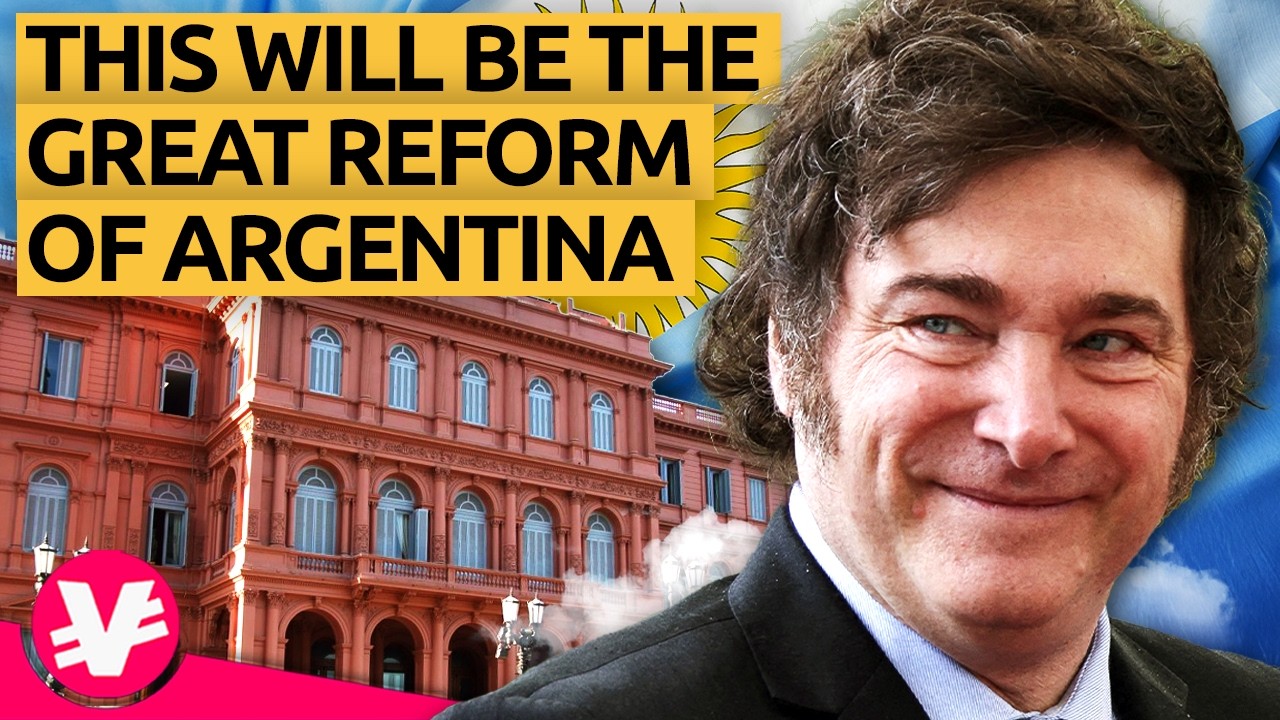
Argentina's radical Shift
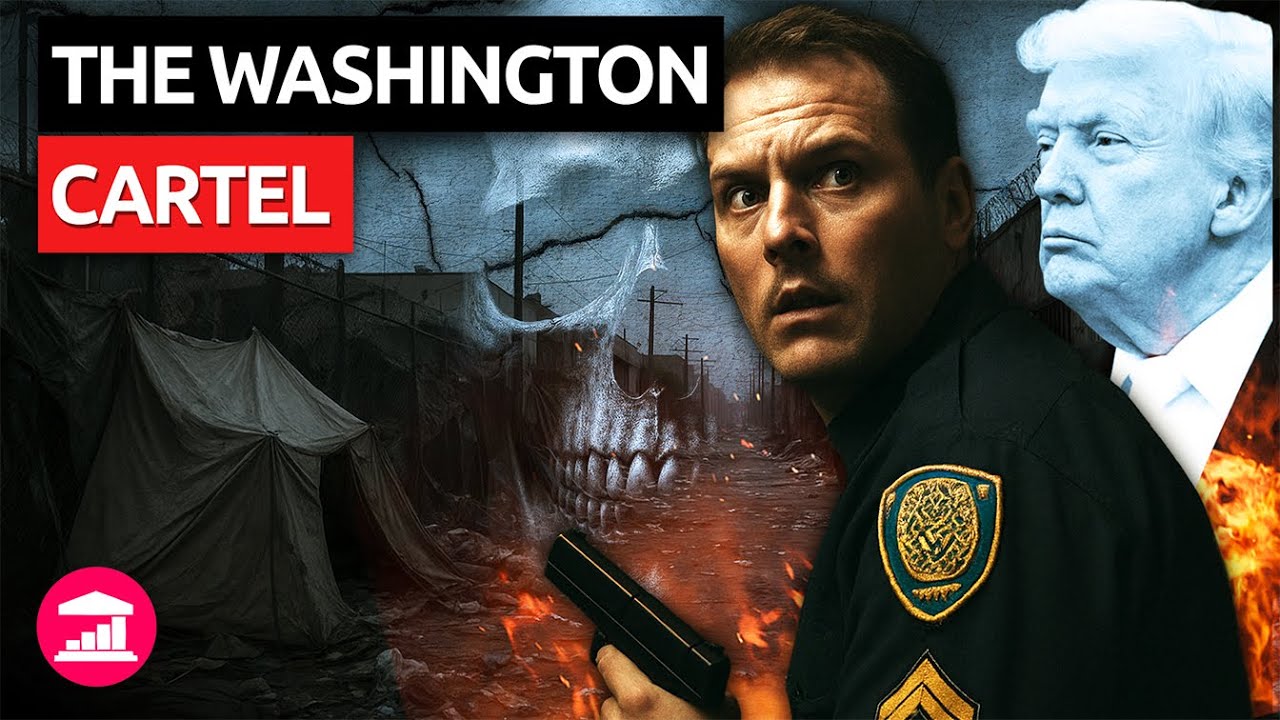
Hidden Cartel crisis in USA

New York’s lost Luster
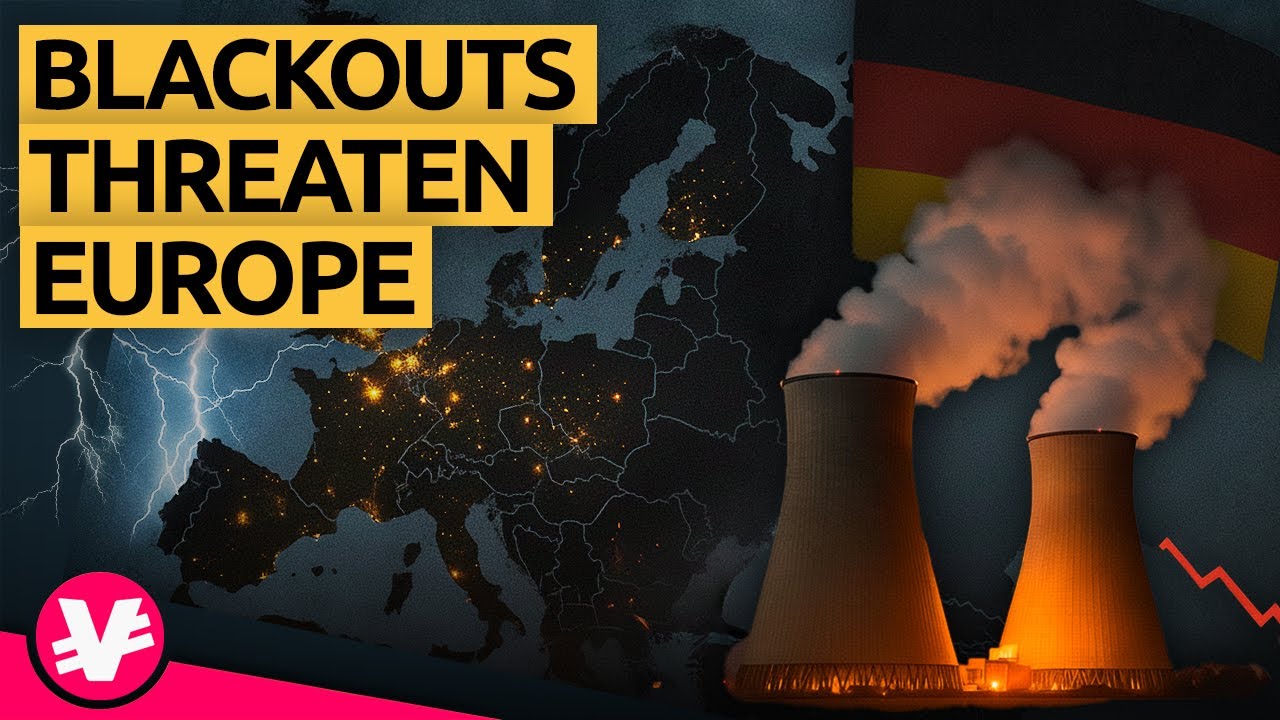
Europe’s power shock
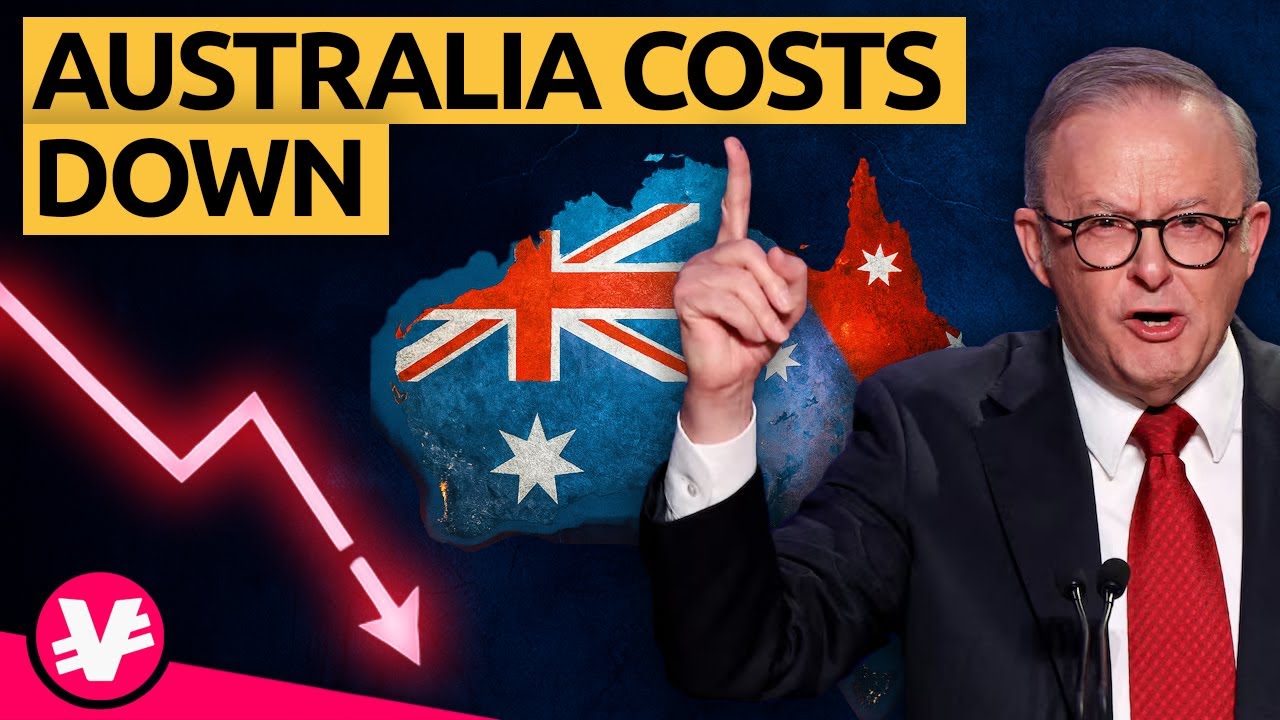
Australian economy Crisis

Israel’s Haredi Challenge
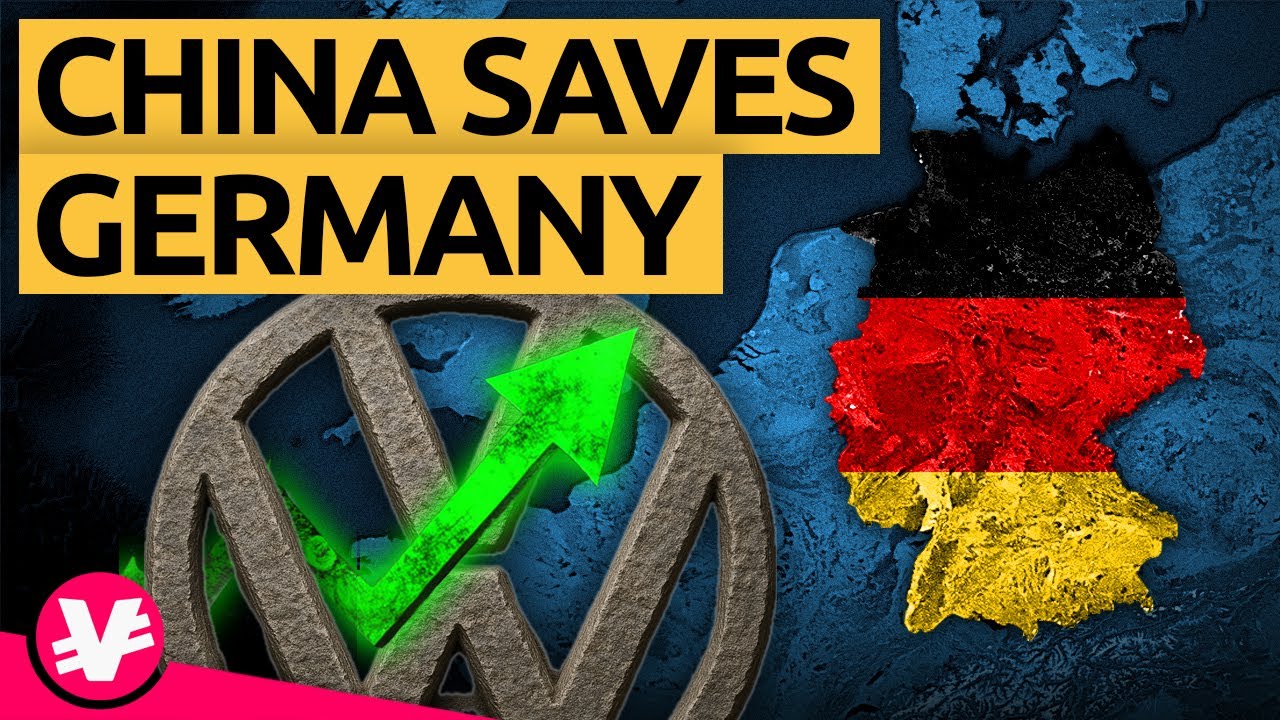
Miracle in Germany: VW soars
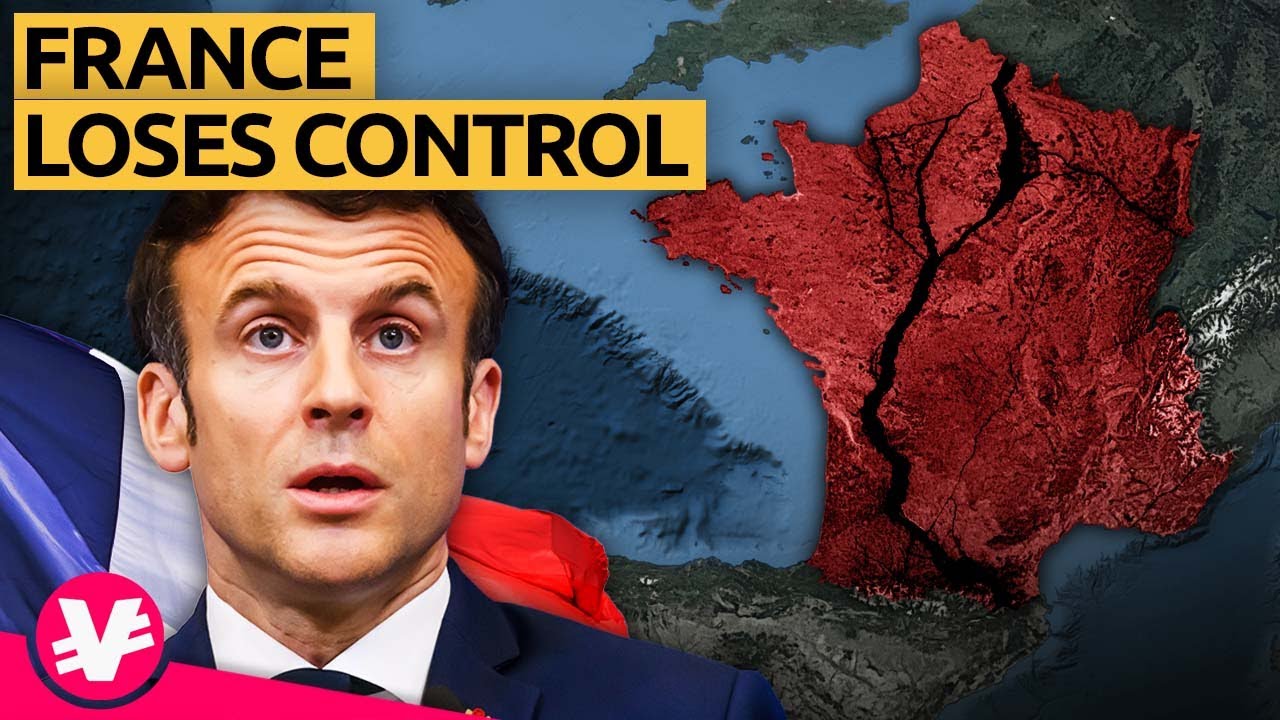
Pension crisis engulfs France
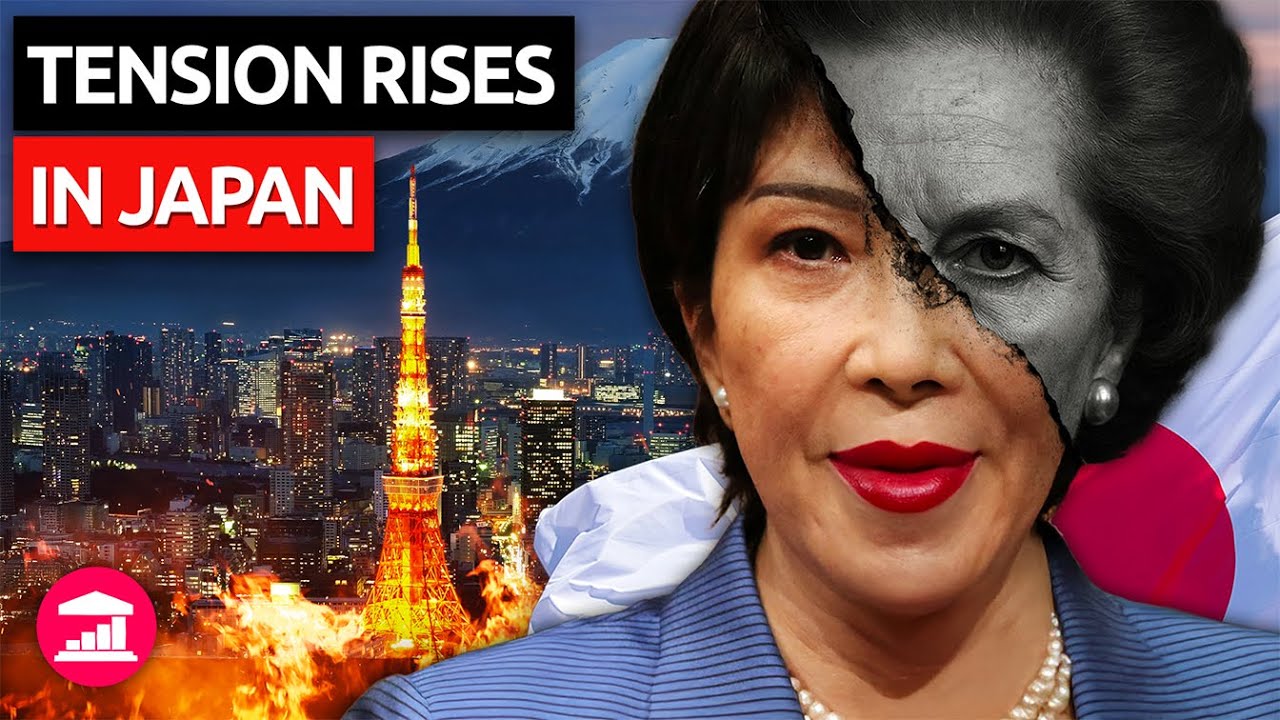
A new vision for Japan
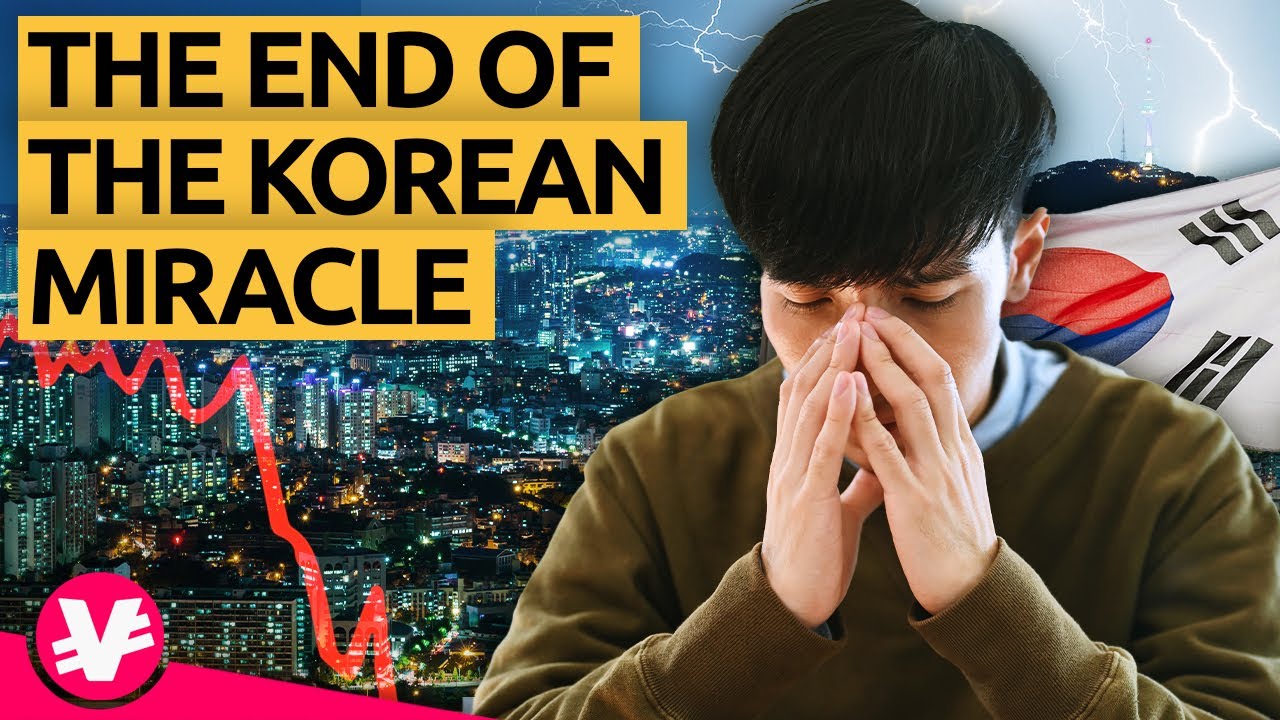
The Fall of South Korea?