-
 Taiwan detains Nvidia worker in chip smuggling probe: source familiar with case
-
BitMart under pressure: 22,000 USDT and 930,000 SNC still not released after 48 hours – is BitMart running out of funds?

-
 Why are tech stocks tanking?
-
BitMart 面臨壓力:22,000 USDT 和 930,000 SNC 在 48 小時後仍未解凍——難道 BitMart 資金不足?

-
 BitMart под давлением: 22 000 USDT и 930 000 SNC не разблокированы по истечении 48 часов — у BitMart не хватает средств?
-
Myanmar approves death sentence for cyberscam offences
-
 Made by AI? EU tells firms to stick a label on it from Sunday
-
Spurs' Maddison says De Zerbi is the right coach for his game
-
 Open champion Fox welcomed home by thousands after 'whirlwind few days'
-
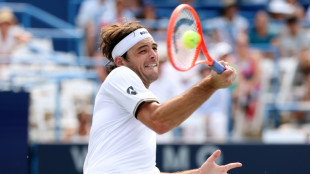
Fritz takes 250th hardcourt win in Washington, Draper pulls out
-
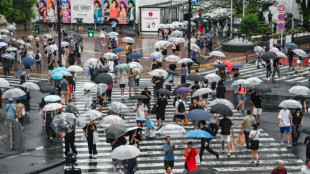 Seoul, Tokyo lead Asian plunge as tech stocks suffer fresh rout
-
'Appy marriages: AI helps hundreds of Japanese wed
-
 More than skin deep: Dutch abuse victims erase forced tattoos
-
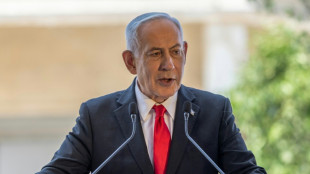
Netanyahu heads to US for first Trump meeting since Iran war
-
 AI cameras spot suicide attempts in South Korea's capital
-
Documentary on Stan Lee's final years faced industry opposition, filmmaker says
-
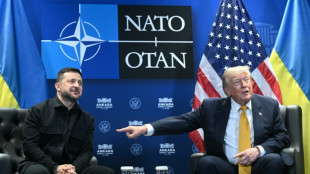 Ukraine's Zelensky expected at White House to secure Trump's support
-
Caledonia Mining Corporation Plc: Notice of Q2 2026 Results and Investor Presentation

-
 Gaming Realms PLC Announces H1 2026 Pre-Close Trading Update
-
InterContinental Hotels Group PLC Announces Transaction in Own Shares - July 28

-
 Fritz takes 250th hardcourt win in ATP Washington opener
-
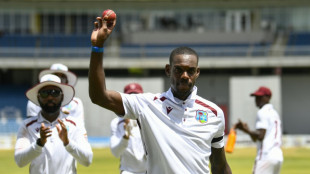
West Indies lead Pakistan by 155 at close of third day
-
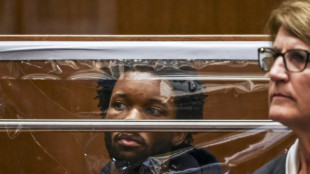 US singer D4vd to stand trial in killing of teenage girl
-
Ramsay-Peaty beaten again as Australia reign supreme in Commonwealth pool

-
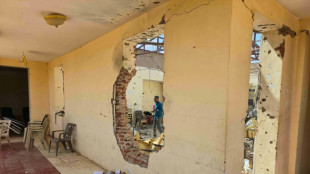 Sudan RSF leader 'unleashes' fighters after army gains in Kordofan
-
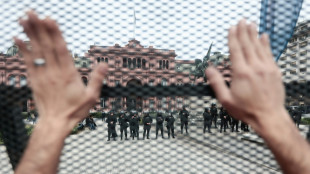
IMF boss hails 'much sounder' Argentine economy under Milei
-
 Ramsay-Peaty to learn lessons for LA after missing out on Commonwealth gold
-
HIV progress in 'real danger' as global funding plummets
-
 Spain wildfire burns campsite to ash, leaving tears and despair
-
Commonwealth Games as 'training day', says Olympic champion McClenaghan

-
 'Thrilled' 76ers sign James with eyes on NBA title run
-
Trump says 'good chance' of progress in Iran talks as foes hold fire
-
 Brazil's Amazonia theaters earn UNESCO World Heritage status
-
Renault to face criminal trial in France over dieselgate

-
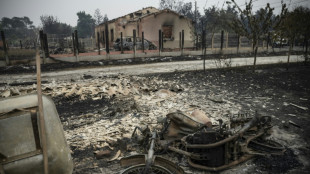 Fury of fire-ravaged French village at being 'sacrificed' for millionaires' peninsula
-
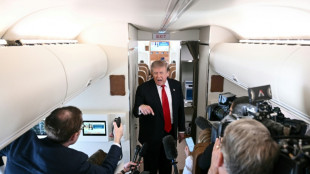
Trump sees 'good chance' for Iran deal, warns strikes could resume
-
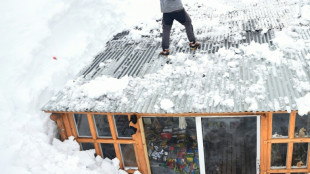 Border crossings shut as heavy snow coats Argentine Andes
-
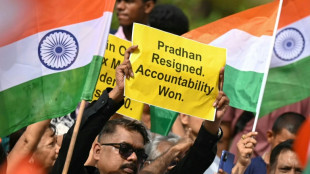
India activists demand release of detained 'cockroach' protesters
-
 Singer Carly Simon diagnosed with Parkinson's: statement
-
LVMH says growth accelerates in second quarter
-
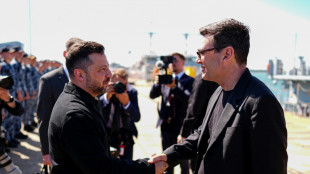 Burnham meets Zelensky, pledges new 'Stone Cloak' for Ukrainian drones
-
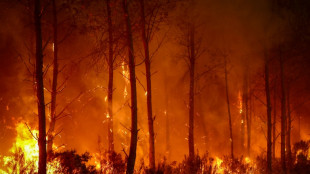
France and Spain race to contain fires before new heatwave
-
 Newcastle winger Barnes signs long-term contract extension
-
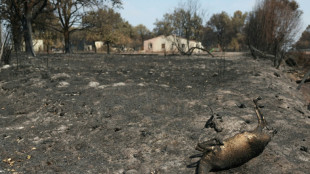
Wildlife face 'catastrophic' losses as France's forests burn
-
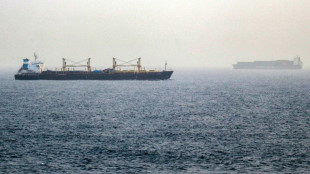 Iran, US hold fire as Saudi Arabia intercepts drones
-
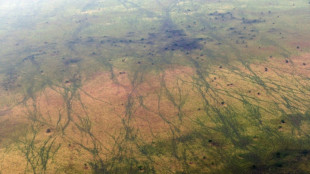
UN lists South Sudan antelope route as heritage in danger
-
 Chad says will withdraw from the International Criminal Court
-
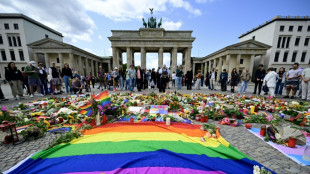
German govt vows to toughen laws after jihadist attack on Pride event
-
 UK funeral director faces jail over bodies left 'on racks'
-
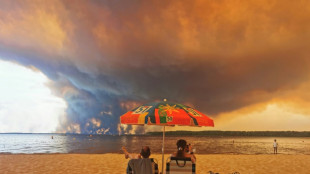
What are 'fire clouds', the ominous phenomenon seen in France?
Trump preps Allies for Ven Op
The United States has entered a new and perilous phase of its confrontation with Venezuela. After securing another term in November 2024, President Donald Trump broadened what had long been a maximum‑pressure campaign into a formal military offensive aimed at alleged narco‑terrorists. Officials in Washington now routinely describe the offensive as a war against cartel‑run shipping networks, yet the mission also seeks to force President Nicolás Maduro from power and seize control of Venezuela’s vast energy resources. The shift has reshaped the strategic landscape in the Caribbean and Latin America, and Washington is marshaling regional allies to prepare for what insiders call the third phase of the operation.
The first land strike and the build‑up at sea
After months of bombing vessels suspected of carrying cocaine, the United States moved ashore for the first time in late December. Trump confirmed that U.S. forces—working through the Central Intelligence Agency—used drones to destroy a dock on the Venezuelan coast that had been used to load boats with narcotics. He described a “major explosion” and said that all of the vessels at the site were destroyed. The covert strike, which caused no casualties because workers were absent, marked the first acknowledged land operation in Venezuela. It came after more than thirty attacks on alleged drug boats in the Caribbean and eastern Pacific that killed over one hundred people. These raids, authorized without congressional approval, have been accompanied by the seizure of at least two oil tankers carrying Venezuelan crude, signalling that the operation is as much about energy as it is about drugs.
The dock strike coincided with an extraordinary U.S. military build‑up. By December the Pentagon had deployed about 15,000 troops and nearly a dozen Navy ships—among them the aircraft carrier USS Gerald R. Ford—to waters near Venezuela. Air assets including F‑35 fighter jets, AC‑130J gunships and P‑8A maritime patrol aircraft operate out of Puerto Rico and the Dominican Republic. The U.S. Coast Guard has increased patrols and is interdicting tankers suspected of smuggling sanctioned oil. Officials have also installed radars and long‑dwell robotic vessels in the Caribbean to track shipping. Defense Secretary Pete Hegseth has compared the mission to the “war on terror,” arguing that lethal force is necessary to deter traffickers. Human rights advocates argue that the killings are extrajudicial executions and that the United States is not legally at war with drug cartels; they have called on other governments to resist complicity in what they see as unlawful operations.
Recruiting partners across the hemisphere
A hallmark of the operation has been the quiet diplomacy used to secure regional support. Over the span of a few weeks in December, Washington concluded security agreements with Paraguay, Ecuador, Peru and Trinidad and Tobago. These deals grant U.S. forces access to airports, permit joint operations against so‑called narco‑terrorists and allow the temporary deployment of troops. Similar arrangements already exist with the Dominican Republic, Panama, and Guyana, while the U.S. territory of Puerto Rico serves as the nerve centre of the build‑up, hosting thousands of troops, F‑35 fighters and MQ‑9 drones. El Salvador’s Comalapa airbase hosts U.S. AC‑130J aircraft and P‑8 patrol planes, and joint training has expanded in Panama. Trinidad and Tobago’s prime minister has publicly endorsed the U.S. naval build‑up, promising to provide airspace and ports if Venezuela retaliates against its neighbours. Meanwhile, Ecuador, Paraguay and Argentina have designated the Venezuelan military’s Cartel de los Soles as a terrorist organization, providing legal cover for Washington’s campaign.
This network of bases and partnerships effectively surrounds Venezuela and is seen by analysts as a prelude to more direct action. Officials at the Defense Department say that having access to runways, refueling points and radar sites across the Caribbean would be essential if Washington decided to conduct wider airstrikes or an invasion. Critics describe the strategy as “gunboat diplomacy on steroids,” arguing that the United States is rewarding compliant governments and intimidating those that refuse to cooperate. Countries such as Brazil and Chile have remained neutral or sceptical, while Colombia’s President Gustavo Petro has warned that an invasion could destabilize the region and questioned whether the strikes truly target the drug trade. Canada and the United Kingdom, which once cooperated closely in maritime interdiction, have reportedly scaled back intelligence sharing over legal concerns.
Domestic politics and strategic aims
At home, the operation has been championed by Trump as evidence that he is tough on crime. He has repeatedly said that Venezuela “emptied its prisons into the United States” and that the U.S. will “kill people that are bringing drugs into our country.” In October he quietly authorized the CIA to conduct lethal operations in Venezuela. He also doubled the reward for Maduro’s arrest to $50 million and designated the Cartel de los Soles a foreign terrorist organization. A newly released national security strategy frames the campaign as part of a broader doctrine that reasserts U.S. dominance in the Western Hemisphere; it revives the rhetoric of the 19th‑century Monroe Doctrine by declaring that the hemisphere is America’s “neighbourhood” and that Washington will not tolerate external influence or hostile regimes.
These moves have coincided with turmoil inside the Pentagon. Admiral Alvin Holsey, head of U.S. Southern Command, retired two years early in December. Three U.S. officials told reporters that Defense Secretary Hegseth forced him out amid frustration over planning and a desire for more aggressive action. The administration has also created a new West Hemisphere Command to oversee operations against Venezuela and designated Peru a major non‑NATO ally, further integrating partners into the campaign. Human rights lawyers and some members of Congress, however, challenge the administration’s assertion that it is engaged in an armed conflict, noting that only Congress can authorize the use of force. Legislators from both parties have demanded greater oversight after reports that a second strike was ordered to kill survivors of an earlier attack on a boat.
Venezuela’s response and regional fallout
In Caracas, Maduro has branded the campaign a neo‑colonial aggression and insisted that Venezuela will “resist by any means.” He has mobilized hundreds of thousands of militia volunteers across 284 “battlefronts” and announced plans for a massive deployment of ground, air, naval and militia forces. Venezuelan state media reports that nine foreign aircraft have been shot down and that government forces destroyed nine drug‑trafficking planes. Officials have also said that any country allowing its territory to be used for attacks would be considered an enemy. Venezuela has sought help from Russia, China, Iran and Cuba, but analysts say those nations are unlikely to intervene directly.
The climate of confrontation has strained diplomatic relations throughout the hemisphere. Panama, whose vast shipping registry includes many of the tankers targeted under U.S. sanctions, has begun de‑flagging ships that violate maritime rules. Guyana, embroiled in a territorial dispute with Venezuela, has welcomed U.S. military cooperation; its officials say American presence deters aggression. Other governments, mindful of public opinion and their own sovereignty, have offered only political support or have remained silent. The resulting patchwork of cooperation and abstention underscores how divisive Washington’s campaign has become.
Preparing for an uncertain future
Whether a full‑scale invasion will materialize remains unclear. In interviews, Trump has refused to rule out “regime change” and suggested that seized Venezuelan oil should be kept to repay the costs of intervention. The Pentagon continues to augment its forces and test new robotic vessels and drones that could support amphibious landings. The CIA strike on the dock is widely seen as a trial balloon to gauge international reaction. For now, the United States appears committed to a campaign of attrition: destroying boats, seizing tankers and pushing Venezuela’s economy toward collapse.
As the new year begins, the people of Venezuela and neighbouring countries watch anxiously. Trump’s operation has inflamed debates over sovereignty, international law and the militarization of counternarcotics efforts. By enlisting regional allies and framing the mission as a fight against narcoterrorists, the White House has prepared a platform for further escalation. Whether that escalation leads to regime change, prolonged guerrilla warfare or diplomatic compromise may depend as much on regional solidarity as on Washington’s resolve.
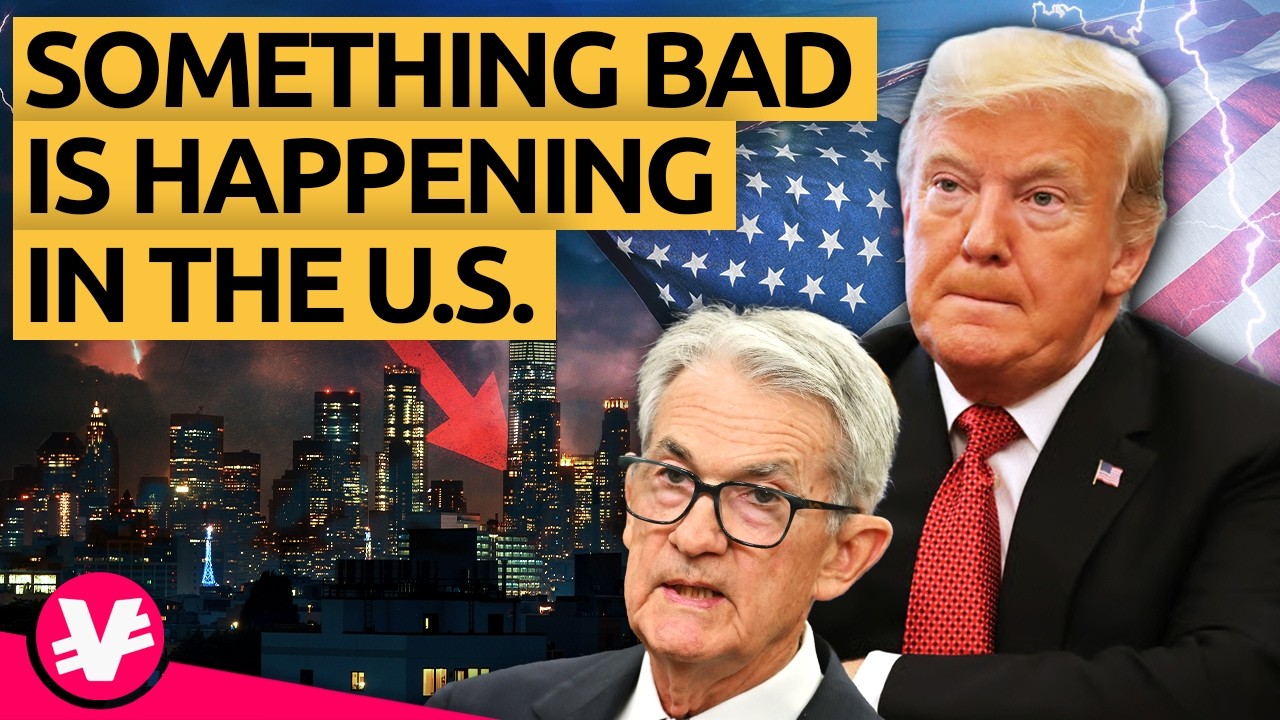
U.S. Jobs stall, gdp slows
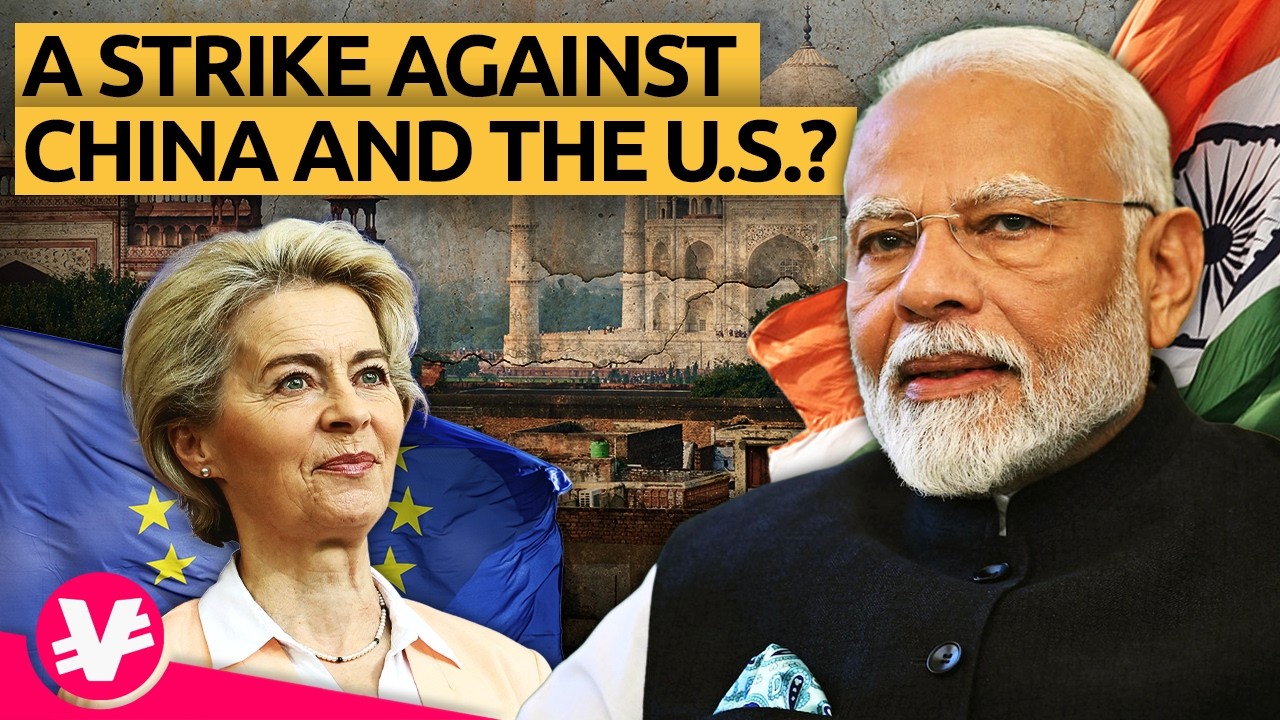
EU India deal gains unveiled

EU misstep on mercosur Deal

Cuba Strangled by US Pressure
Argentina reshapes oil

Japan’s right‑turn triumph

Iran lifts Dollar, sinks Euro

Israel presses Tehran

Iran and the holy War risk

Russia's Drone ploy in Poland

Milei suffers crushing Defeat