-
 Sri Lanka's famed beach shack battles demolition
-
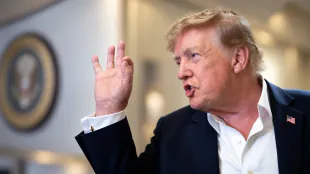
Trump says he will decide whether US pursues Iran deal
-
 Drone shot down by NATO over Lithuania
-
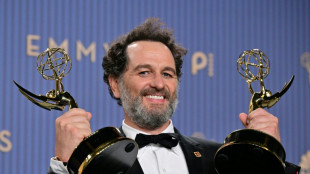
'Widow's Bay' and 'The Pitt' take key Emmy awards
-
 Vserv targets ₹1,000 crore revenue by 2030 through AI expansion
-
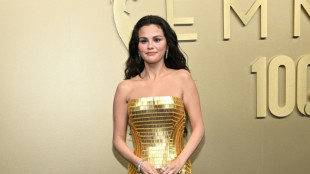
Television's A-listers glitter on Emmys red carpet
-
 India prohibits bank fees on UPI payments up to ₹2,000
-
US Supreme Court blocks Trump mail-in ballot restrictions
-
 Air India CEO summoned over alleged departure immigration lapse
-
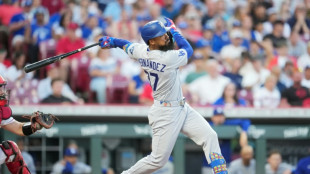
Dodgers clinch playoff berth in bid for third straight World Series
-
 New Zealand agencies missed red flags in child kidnapping case: inquiry
-
Doomers and boosters: who's who in the AI wars
-
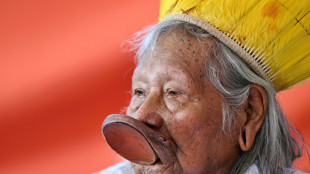 Brazil's Amazon defender Raoni has cancer
-
GAC presents autonomous trucks and MONTX concepts at Hannover show

-
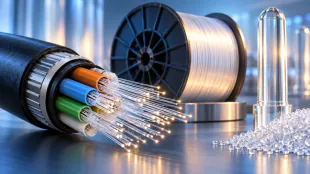 HFCL expands planned fibre investment to ₹1,800 crore
-
EU extends Russia sanction deadline
-
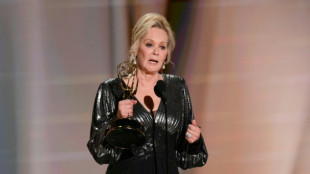 Emmy Awards begin as 'Widow's Bay' and 'The Pitt' vie for top prizes
-
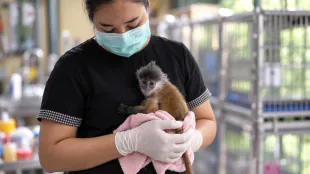
Thai wildlife investigators track traffickers through social media
-
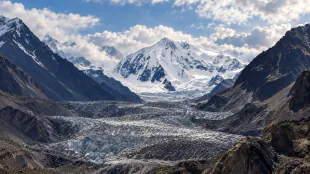 Himalayan glacier study warns of flood and water-supply risks
-
Trump rejects AI slowdown concerns as UN urges coordinated controls
-
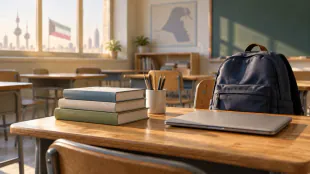 Kuwait schools restore classroom routines after remote learning
-
US judge postpones new visa rules for foreign students, journalists
-
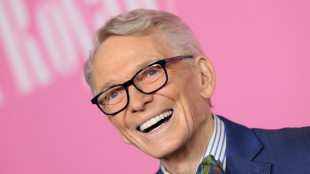 US designer Bob Mackie, known for Hollywood glamour, dies at 87
-
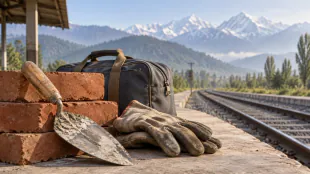
Higher wages draw migrant workers to Kashmir despite attacks
-
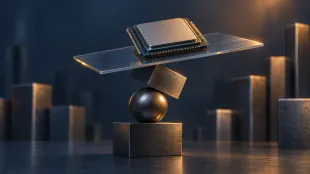 BIS flags debt and profitability risks in AI-driven market rally
-
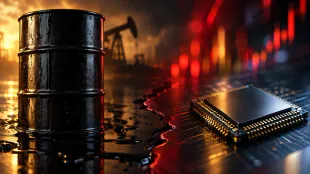
Oil supply concerns and AI warnings weigh on global markets
-
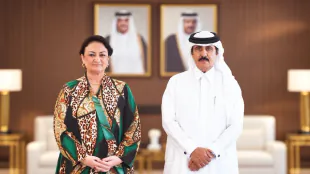 Qatar Chamber and Maltese envoy consider business forum
-
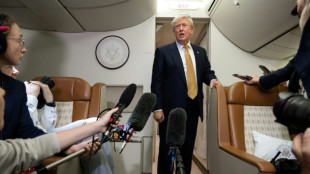
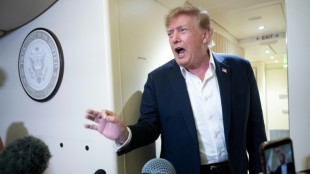
'I am the hoax buster': Trump rejects AI danger warnings
-
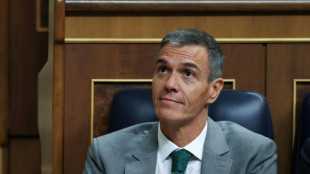 Spanish PM denies being blackmailed by Morocco
-
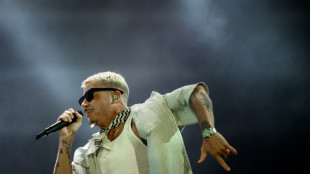
Macklemore dropped from Ed Sheeran tour after 'free Palestine' speech
-
 Doha Islamic finance forum names AlRayan firms as co-lead partners
-
Trump's son confirms Russian businessman paid for post-wedding festivities
-
 Leeds thrash Newcastle to go third in the Premier League
-
Betis beat winless Villarreal to go third

-
 Zelensky says Ukraine ready for 'de-escalatory steps'
-
Etihad capacity rises as war disruption weighs on annual earnings
-
 In-form Malen fires Roma to Serie A summit, Inter on their heels
-
At G20 summit, US unravels power plant climate rules
-
 Lebanese agency reports Israeli shelling and gunfire in south
-
Russian disinformation campaign sets sights on US midterms
-
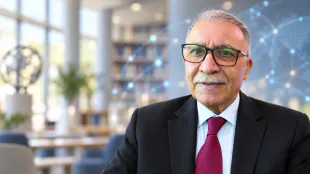 Expert proposes phased digital reform for Arab business schools
-
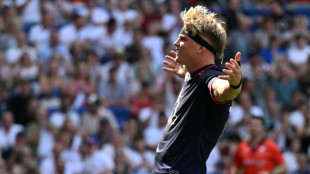
England No 8 Pollock could move abroad or switch sports amid contract stand-off
-
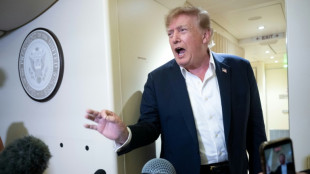 Trump rejects 'hoax' warnings that AI could destroy humanity
-
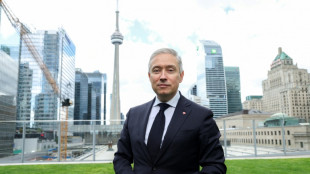
Canada makes pitch as safe place to invest in 'uncertain world'
-
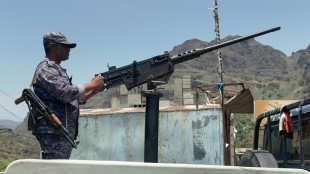 Houthis say Saudi Arabia hits Yemen with 54 strikes after attack on bases
-
In-form Malen fires Roma to Serie A summit

-
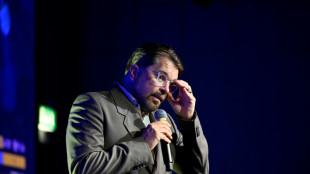 Why the far right is losing ground in Sweden
-
IOC visits Lyon amid leadership turmoil for 2030 Winter Olympics
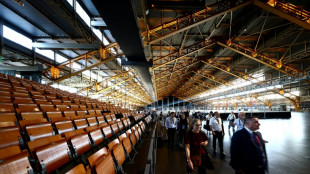
-
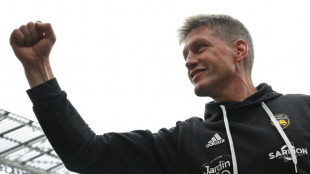 Ex-Ireland fly-half O'Gara extends deal as La Rochelle coach
-
New York seizes 12 celeb deep-fake porn sites

Russia: Is Putin's time nearly up?
The reign of Russian dictator and war criminal Vladimir Putin (72) has spanned more than two decades, characterized by tight control over domestic politics, a formidable security apparatus, and accusations of organized corruption within ruling circles. As 2025 approaches, questions arise about the longevity of this power structure: could Putin and what some call his “criminal power apparatus” be at risk of losing power?
The Current Political Landscape - Constitutional Amendments:
In 2020, Russia’s constitution was amended, allowing Putin to seek additional terms. Critics argue that this move secured his grip on power and could enable him to remain in office until 2036. However, these legal changes have not entirely quelled public discontent, particularly among younger Russians eager for political and economic reforms.
Tightening Repression
Over the past few years, opposition figures and independent journalists have faced increasing pressure—from arrests to legal restrictions on free speech. Detractors say this crackdown reflects concern within the Kremlin about a growing undercurrent of dissatisfaction, including fears of large-scale protests.
Economic Strains
Western sanctions, imposed in response to Russia’s foreign policy choices and alleged human rights abuses, continue to bite. A struggling economy may weaken the social contract between the ruling elite and the broader population, especially as living standards fail to improve.
Possible Pathways to a Loss of Power - Popular Protest and Grassroots Movements:
Dissatisfaction with corruption, economic stagnation, and political repression could spark large-scale demonstrations. If protest movements gain momentum—similar to events in other post-Soviet states—the Kremlin may struggle to maintain total control.
Elite Fragmentation
Putin’s inner circle comprises powerful oligarchs, security officials, and political loyalists. Internal power struggles, sparked by competing economic interests or frustration with ongoing sanctions, could undermine the president’s position. In a worst-case scenario for the Kremlin, factions within the elite might unite behind an alternative leader, potentially orchestrating a smooth transition or even a coup.
Geopolitical Fallout
Russia’s international standing has diminished in some circles due to conflicts like the war in Ukraine. Should military or diplomatic ventures fail, or sanctions intensify, public opinion could turn sharply against the current regime, eroding the facade of strength Putin has built.
Obstacles to Regime Change - Consolidated Power Structures:
Putin’s administration has effectively centralized power, with loyalists overseeing defense, security, and major financial institutions. This entrenched network makes any direct challenge difficult, as potential opponents often lack the institutional leverage to mount a serious campaign for change.
State-Run Media
Russian state media wields considerable influence, shaping public perception by promoting official narratives and downplaying dissent. A significant share of the population remains loyal, or at least resigned, to the status quo—partly due to selective media coverage.
Security Apparatus
Instruments like the Federal Security Service (FSB) and the National Guard have shown readiness to suppress protests and harass opposition leaders. Their loyalty to the Kremlin remains a key pillar preventing large-scale destabilization.
Scenarios for 2025 and Beyond - Gradual Transition:
Putin, possibly eyeing his legacy, might orchestrate a carefully managed succession. A handpicked successor could maintain most of the existing power structures, mitigating radical upheaval. This scenario protects the interests of the political elite while granting nominal reforms to placate an increasingly restless public.
Sudden Upheaval
A culmination of economic woes, elite rivalries, and public unrest could trigger a rapid collapse of the regime. Though still less likely given Russia’s robust security institutions, the potential for sudden change cannot be discounted.
Maintaining the Status Quo
Despite the speculation, Putin’s leadership might endure if economic conditions stabilize or if repression remains effective. Continued centralization of power and control over media channels could solidify the Kremlin’s dominance well past 2025.
Conclusion
While the idea of Vladimir Putin and his so-called “criminal power apparatus” losing control in 2025 makes for a compelling debate, multiple factors will influence the outcome—ranging from grassroots discontent to elite power struggles and geopolitical pressures. Despite growing dissatisfaction and economic challenges, the Kremlin still commands significant tools of control. Whether these tools will suffice in the face of mounting pressures remains one of the most important questions for Russia’s future.
As 2025 nears, Russia’s political trajectory stands at a crossroads. The prospect of major change is neither guaranteed nor impossible. Ultimately, the stability of Putin’s reign will depend on how effectively he navigates the economic, social, and international pressures that continue to shape Russia’s destiny.
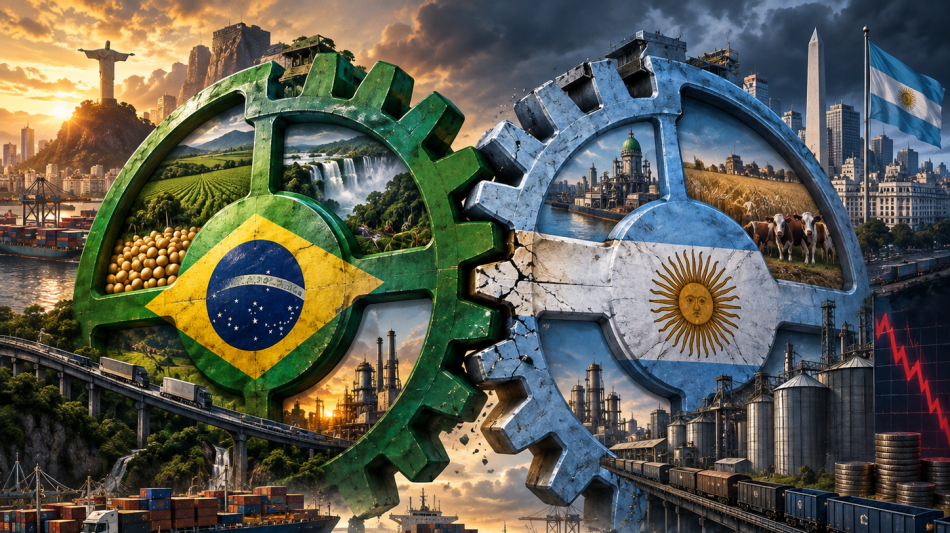
Brazil tests Milei’s gamble
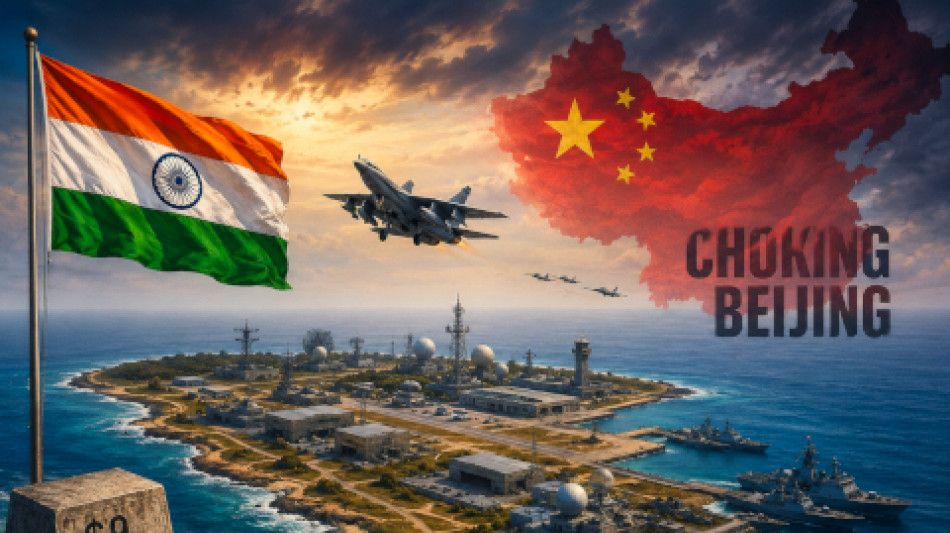
India's island choke point
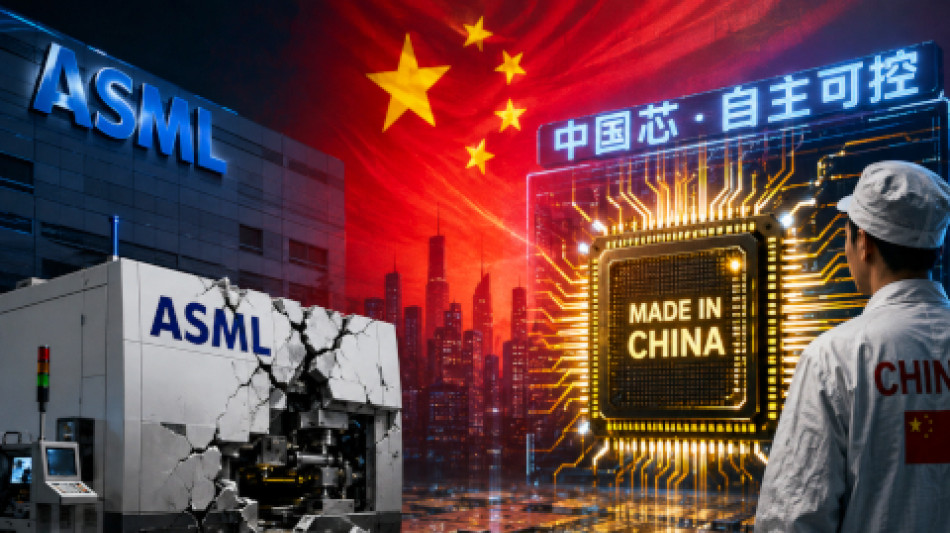
China’s lithography leap
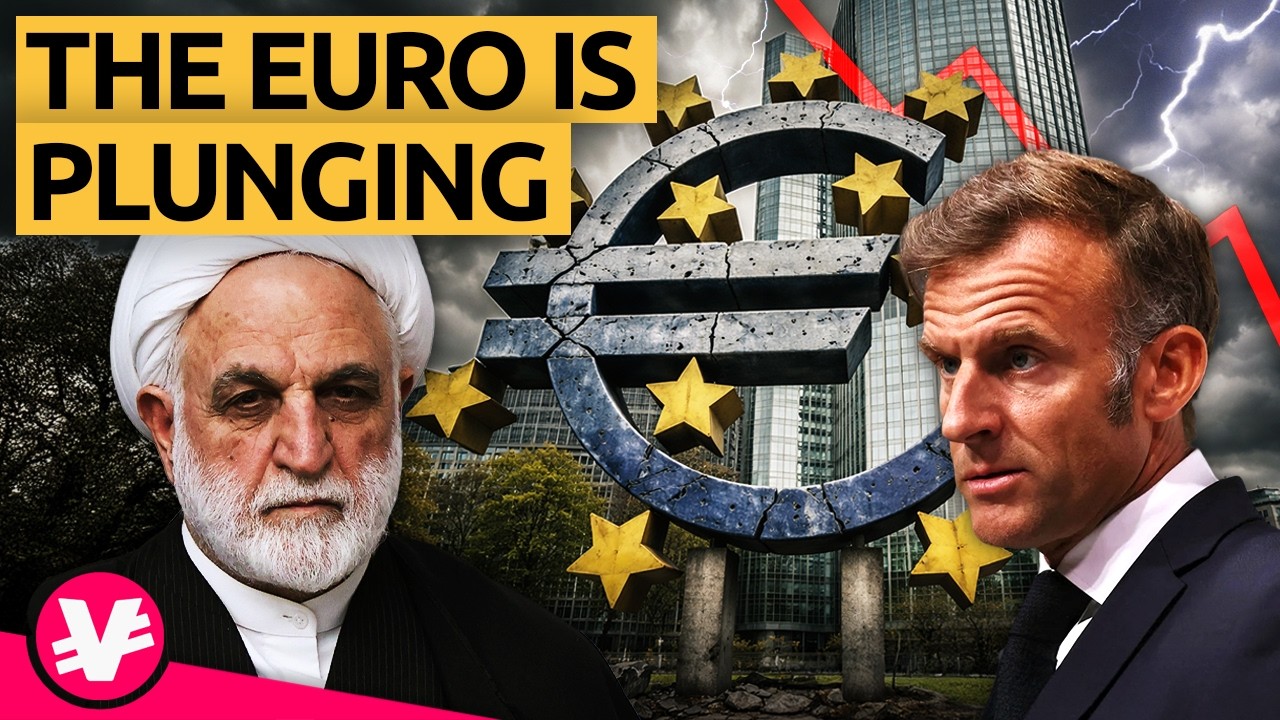
Iran lifts Dollar, sinks Euro
Brazil's trade-war boom
AI sparks Wall Street panic
India defies U.S. tariffs

EU misstep on mercosur Deal

Power at the Heart of Iran
Cuba Strangled by US Pressure
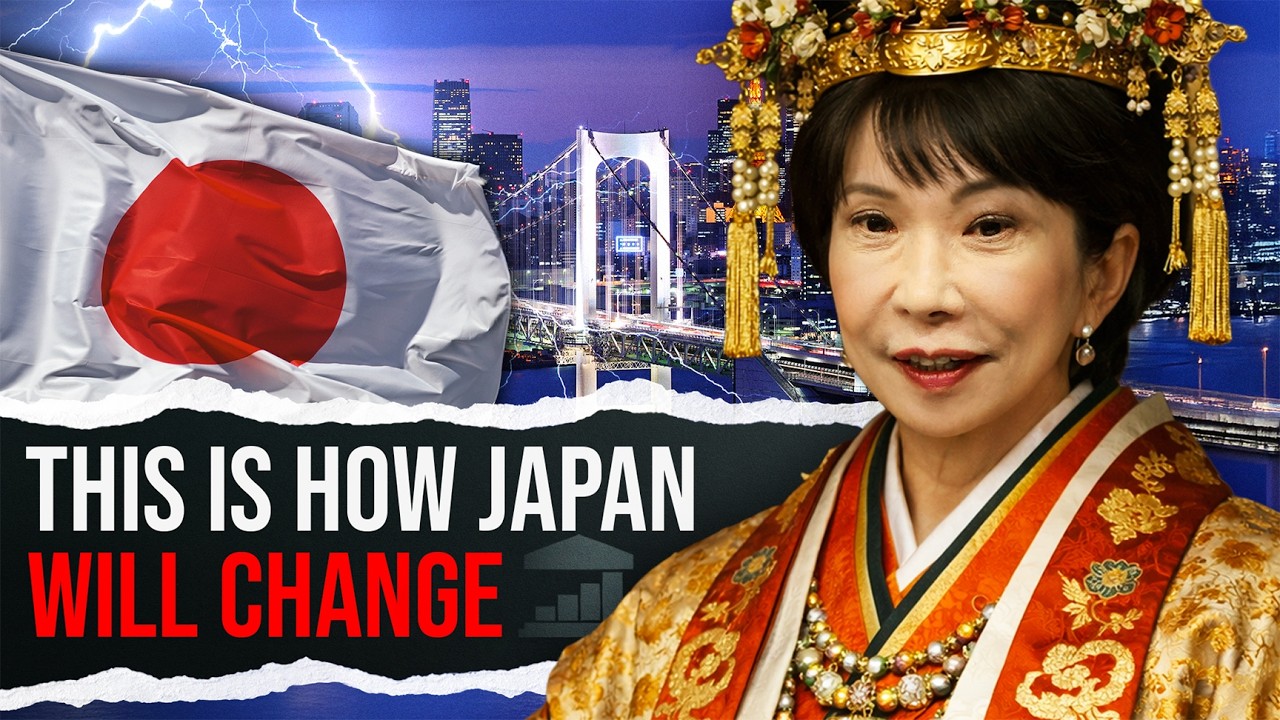
Japan’s right‑turn triumph