In UK 'rhubarb triangle', spring arrives in January
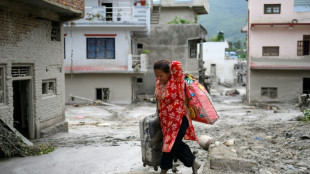
 Nepal floods leave trail of destruction, aid challenge

 Experts outline sustainable ways to declutter Australian homes
 Bulk book purchases feed AI training through destructive scanning

 George and Amal Clooney attend Lake Como event after France evacuation

 Michelle Obama describes relief and adjustment after daughters leave home
 Very strong El Niño forecast to peak during southern African summer

 SAFA opens tender for dressing rooms, ablutions and grandstands

 TEEKS brings Māori-rooted soul and a new view of masculinity to South Africa

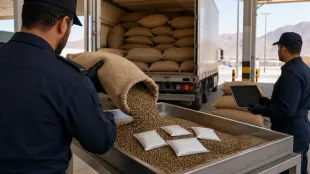 Saudi customs seize 1.95 million amphetamine pills in lentil shipment

 Trump says Russia will not attack NATO as CIA chief visits Moscow

 British Museum schedules new Bayeux Tapestry ticket release

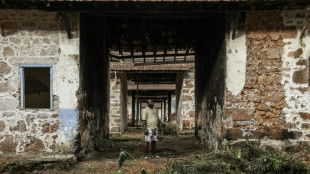 From forced labour to living heritage: Sao Tome's colonial plantations

 Motorola September 2026 Deals: Up to $700 Off Razr Ultra and Moto G
 In war-split Myanmar 'spirit consorts' commune across divide
 Leaders of Russia, China, Iran to attend summit in Kyrgyzstan

 Alpha1 AI Expands Support for Federal Agencies

 Kane confirms talks on Bayern extension

 Trump govt. mulls deal to give away part of Yosemite park

 Indian release of Sonia Gandhi memoir uncertain after publisher clarification

 Cities show cleaner transport policies can reduce severe air pollution

 Four patients harmed in Nashville hospital medication mix-up

 Essex council hires private guards as Wethersfield asylum centre expands

 Haakon VIII becomes Norway's king after Harald V dies at 89

 Six injured after sign falls at Christian festival in West Sussex

 Dubai airport expands scanners that keep laptops and liquids in bags

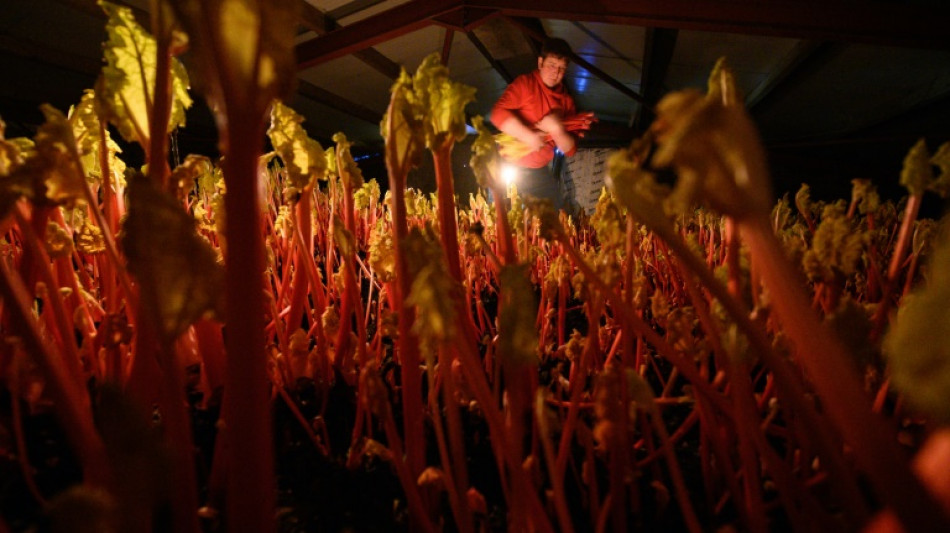
Robert Tomlinson picks rhubarb stalks by candlelight in the dark, carrying on a century-old family tradition that survives today despite the challenges posed to his business by Brexit and climate change.
For four generations, Tomlinson's family have been cultivating "forced rhubarb" in the winter months at their farm in Pudsey, northern England, and are profiting from a resurgence in the plant's popularity.
Hundreds of bright pink stems of the "Harbinger" variety reach for the ceiling after they were brought into sheds from fields to be finished off indoors.
The temperature is kept heated to around 14 degrees Celsius (57 degrees Fahrenheit), and it is almost completely dark.
With this mildness in the air, "we are tricking them into thinking it is spring", Tomlinson, 41, said as he walked around his plants, which benefit from a government-protected designation of origin.
In the absence of stronger light, the plants cannot produce chlorophyll and sugar grows in the stalk rather than the leaf, "so you get a far more tender, sweeter stick than you do in summer with outdoor rhubarb".
The stems can therefore be harvested in winter, when few fresh fruit and vegetables are produced in Britain, and command a higher price than free-range rhubarb, which is typically picked from May.
"You can hear them growing, it makes just like a pop," says Tomlinson, whose farm lies in a part of Yorkshire known as Britain's "rhubarb triangle" because of its concentration of growers.
His great-grandfather started growing the plant, which originated in Asia and Russia, in the late 1880s. Until the 1960s, its tangy taste was popular in Britain.
- Duck a la rhubarb -
But rhubarb then fell out of fashion and many growers gave up. Today there are only 10 left in Yorkshire, according to Tomlinson, down from a peak of more than 200.
In recent years, however, chefs have embraced rhubarb with relish.
They include Tom Cenci of the 26 Grains group, which manages two high-end restaurants in London which use mostly British produce.
"The recipes are endless," he said, before sauteing a few pieces of forced rhubarb in orange juice, adding sugar and a little ginger.
Forced rhubarb grown indoors "has a slightly sweeter taste", and outdoor rhubarb can be more "stringy". Cenci recommends pairing it with fish or duck.
Forced rhubarb is also used in drinks, from flavoured soda to gin, sparkling wine and syrups.
Tomlinson says the wide array of uses has helped him weather the closure of UK restaurants during successive pandemic lockdowns.
Foreign demand has also helped, from restaurants and hotels in Paris, Berlin, Zurich and even New York, he said.
- ' Rising costs' -
But owing to new customs checks since Britain left the EU's single market, "it is far more expensive to send it to Europe now".
And like other British farmers, the rhubarb grower is struggling with labour shortages.
"Costs have gone up. There are so many jobs out there that pay a lot more money," Tomlinson said.
His wife Paula assists, as do his children aged 13 and 14 on weekends.
Milder weather brought about by climate change is another headwind.
The plants need a period of cold in the autumn "to re-energise before we fetch them in the sheds" for indoor harvesting.
"The way in which we are growing is almost identical as it was back then because there is no other way to do it.
"So, I will go on picking by candlelight, by hand," the farmer said. "There are no machines to do it."
S.F.Warren--AMWN