-
 McKeown battles illness to surge home in 100m backstroke at Australian trials
-
Europe's top firms fuelling inequality with payouts: Oxfam

-
 UK government 'concerned' by abuse claims against West Ham co-owner
-
What we know about Xi's visit to North Korea
-
 Japan city relieved as bear caught after roaming streets for days
-
Kenyan police fire tear gas, make arrests at US Ebola centre protest

-
 Mosaddek steers Bangladesh to 284-8 against sloppy Australia
-
Jota will be in Scotland skipper Robertson's 'heart' at World Cup, says widow

-
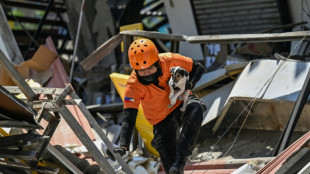
 Outdoor hospitals, shaken communities as Philippine quake toll hits 41
-
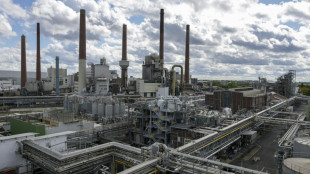
German factory output, exports rise but Iran war weighs
-
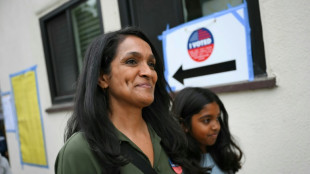 Left-winger beats Republican to advance to LA mayor runoff: media
-
Pakistan, Lebanon army chiefs meet as Middle East mediation drags on

-
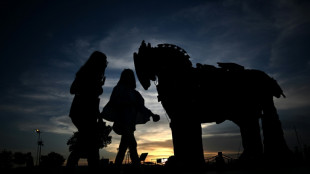 Between Homer and Hollywood: Troy a source of Turkish pride
-
Success-starved China fans adopt 'Card Master' referee as World Cup rep

-
 Seven Georgians tried in France over theft of rare Russian books
-
Trump says in 'final throes' of reaching Middle East peace deal

-
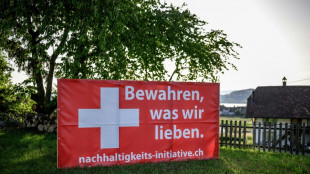 Business, unions unite against Swiss immigration cap push
-
Outdoor hospitals, cut-off communities as Philippine quake toll hits 41
-
 Spain beat Peru 3-1 to head into World Cup on high
-
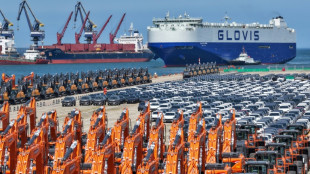
China exports surge as Beijing withstands Middle East stress
-
 Spurs edge Knicks 115-111 in NBA Finals as Trump booed
-
Hopes soar for US fans as hosts assemble at World Cup camp

-
 French justice minister refuses to resign over girl killing case
-
Asian stocks track Wall St tech bounce, oil eases on Mideast hope

-
 Encouraging trial results for AstraZeneca's new weight-loss pill
-
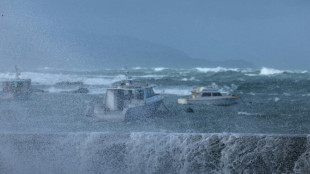
Hundreds evacuated as waves batter New Zealand capital
-
 Former rugby league star in Australia comes out as gay
-
Bolivian president says 'narcoterrorists' behind crippling protests

-
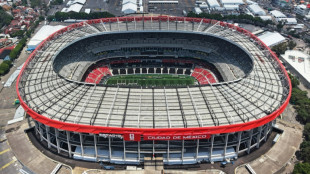 World Cup nears kickoff after pre-tournament turbulence
-
Trump gets cold hometown welcome at NBA Finals in New York

-
 Deschamps tips hat-trick man Olise to make big impact at World Cup
-
UniDoc Connect Surpasses One Million Patient Visits
-
 Silver X Mining Corp. Announces Appointment of Joseph Gallucci to Board of Directors
-
Jericho Energy Ventures (TSXV: JEV) and Comstock Holding Companies (Nasdaq: CHCI) Enter Definitive Agreement for Oklahoma AI Infrastructure JV
-
 NuRAN Wireless Secures USD 12 Million Debt Financing Mandate Letter, Launches in Ivory Coast and Accelerates African Expansion
-
Future B2B Launches Affinity, an Audience Data Platform That Helps Marketers Find Active Buyers in Real Time

-
 TRU Precious Metals' 2026 Field Works Program Gets Underway at Golden Rose
-
U.S. Polo Assn. Returns to Downtown London as Official Apparel and Jersey Partner of Chestertons Polo in the Park

-
 International Battery Metals Ltd. Reports Positive DLE Test Results Across Multiple Smackover Formation Brine Sources
-
Aclara Receives Approval of Environmental Impact Assessment in Chile

-
 ZEO ScientifiX Expands Medical Advisory Board with Leaders in Regenerative and Longevity Medicine
-
Haven Safety AI Announces Product Availability in Australia, Marking First International Expansion

-
 Critical Elements Announces the Start of A 10,000-Meter Summer Drill Program at Rose West
-
Instawork Robotics Lab Debuts Instacore - a Wearable System Built to Scale Real-World Robot Training Data

-
 Helio Expands IP Portfolio by Adding Key Platform Technology for the Future Space Economy
-
Lobe Sciences Directors and Management Increase Equity Ownership Through Settlement of Accrued Fees by the Issuance of Common Shares

-
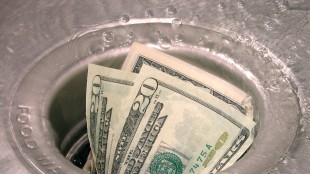 Landmark $101 Million Verdict Awarded in North Carolina Personal Injury Lawsuit
-
What Waton's New Platform - MoTA Is Designed To Help Users Do
-
 Skalar Analytical Streamlines Citation Management and Gains Deeper Analytics Insights with Bioz
-
Uraniumx Reports Anomalous Radioactivity in 300-metre Step-out Holes at Murphy Lake

Japan's financial precipice
Japan is grappling with a dire financial crisis as interest rates have surged, doubling to a staggering 0.50%—the highest level since the 2008 global financial crisis. This dramatic shift, orchestrated by the Bank of Japan, marks the end of a prolonged era of ultra-low borrowing costs, leaving the nation teetering on the edge of economic ruin. The people, long accustomed to near-zero rates, now face unprecedented financial pressure as the cost of living soars and debt burdens mount.
For decades, Japan wrestled with stagnation and deflation, a period often dubbed the "Lost Decades." Ultra-low interest rates were a lifeline, keeping borrowing affordable and sustaining a fragile economy. But that lifeline has been severed. Inflation has climbed past the central bank's 2% target, fueled by a tight labor market and rising wages. Emboldened by these signs of economic vigor, the Bank of Japan has pushed forward with its rate hikes, aiming to normalize monetary policy after years of caution.
Yet, this bold move comes at a steep cost. Japan's public debt, one of the largest in the world, now looms larger as servicing costs rise with the higher rates. Households, once shielded by cheap loans, are buckling under increased mortgage and credit payments. Businesses, too, face a reckoning—many small firms, the backbone of the economy, fear they won't survive the tightened conditions. "The shift is too sudden," one economic observer noted, echoing widespread unease. "Families and companies need time to adjust, but time is a luxury we don’t have."
The timing couldn’t be worse. Global uncertainties, from trade disruptions to geopolitical tensions, cast a shadow over Japan’s recovery. Some experts caution that the rate hike could choke off growth just as the economy begins to stir, plunging the nation back into the stagnation it fought so hard to escape. "We’re walking a tightrope," another voice warned, highlighting the delicate balance between curbing inflation and preserving stability.
As Japan stands at this financial precipice, the Bank of Japan faces mounting pressure to monitor the fallout closely. The path ahead is fraught with risk—too aggressive, and the economy could collapse under the weight of debt; too lenient, and inflation could spiral out of control. For now, the people of Japan brace for hardship, their resilience tested once more as the nation navigates this perilous turning point.

European democracy is weakening, report warns
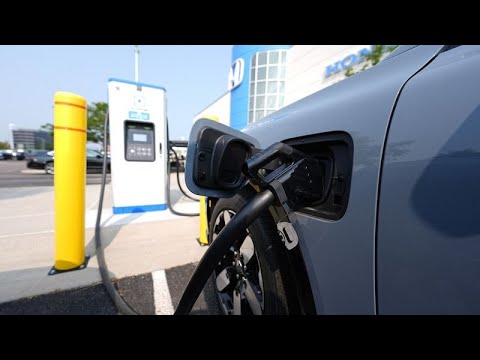
Low demand: electric vehicles clog Belgian port

EU calls for tougher measures for a ‘tobacco-free generation’

This Summer experiences Romania first heatwave

Mike Pence: U.S. will continue to support Ukraine

Activists organise "flotilla" with aid for Gaza

Holy souls on display at 2024 Venice Biennale

Brussels, my Love? EU-Market "sexy" for voters?

The great Cause: Biden-Harris 2024

UN: Tackling gender inequality crucial to climate crisis

Scientists: "Mini organs" from human stem cells



