-
 Henry fit to lead New Zealand's attack at Lord's
-
Yamal, Williams should be fit for World Cup opener: De la Fuente

-
 UK PM slams violence over police handcuffing of dying student
-
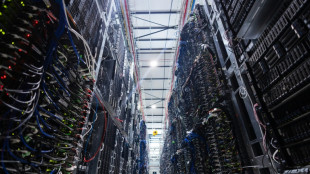
EU wants to favour European firms for AI, cloud in sovereignty push
-
 England captain Stokes defends Archer's IPL-enforced absence from Test side
-
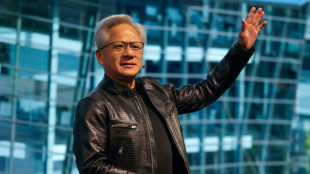
Oil jumps, stocks mixed on fragile MIdeast peace hopes
-
 Polish qualifier Chwalinska reaches French Open semi-finals
-
Romania wants to boost air defence after drone strike blamed on Russia

-
 'Backrooms' born of 'itch to explore' online horror meme
-
French content creators gear up to influence presidential election

-
 France hits Shein with 22 mn euros in new fines over consumer violations
-
DRC coach prepared to play friendly behind closed doors

-
 Ukraine drones hit Saint Petersburg as 'Russian Davos' opens
-
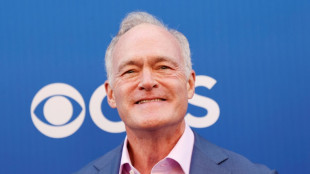
CBS News fires '60 Minutes' veteran Scott Pelley
-
 Robots, supply strain: five hot topics at Computex
-
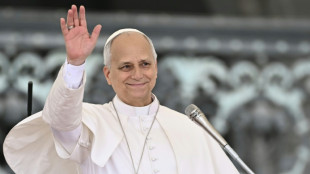
Pope Leo prepares to visit polarised, secular Spain
-
 Formula One ace Leclerc extends contract with 'second family' Ferrari
-
Hundreds flee as South Africa anti-migrant mobs go door-to-door

-
 Storm Jangmi dumps torrential rain on Tokyo
-
Drone strikes close Kuwait airport as Iran and US clash in Gulf

-
 Ukraine drones hit Saint Petersburg as flagship economic forum opens
-
Iran World Cup squad to reach Mexico early Sunday

-
 Indian stars push to end elephants in Bollywood
-
OECD cuts 2026 global growth forecasts over Mideast war fallout
-
 Oil prices rise on Iran peace worries, Asian stocks build on tech rally
-
'Blind spots': drone alert lays bare Lithuania poor shelter access

-
 French UFC fighter Gane blocking out politics before White House bout
-
England aim to erase Ashes scars against New Zealand

-
 50 years after Olympic glory, Comaneci's homecoming sparks hope of new path to perfection
-
'No hiding' as Haiti thrash New Zealand in pre-World Cup friendly

-
 Military seeks prison time for Indonesian soldiers in acid attack
-
'Animalistic horror': Russia puts war art on display

-
 German alleged rape victim battles time limit on abuse cases
-
As crises balloon, so do EU nations' deficits
-
 Japan's samurai spirit still burns in cooler conditions
-
Solomons PM says to review secretive security pact with China
-
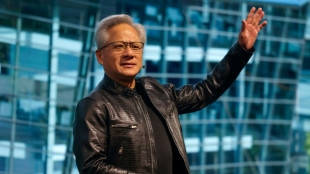 Oil prices rise on Iran peace worries, stocks build on tech rally
-
Sabalenka homes in on French Open semis

-
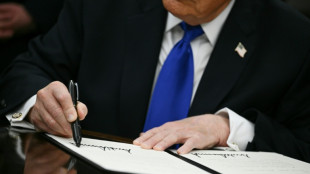 Trump signs AI order giving government access to powerful models
-
Pope to mark centenary of death of 'God's architect' Antoni Gaudi

-
 Migrant journeys in focus ahead of pope visit to Spain's Canaries
-
Flood warnings as storm moves towards Tokyo

-
 Scotland's Tartan Army to bring 'the party' on World Cup return
-
Thousands protest Jared Kushner-linked resort project in Albania

-
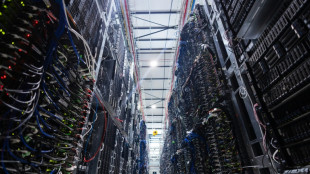 EU to unveil plan to wean itself off US, Asia tech
-
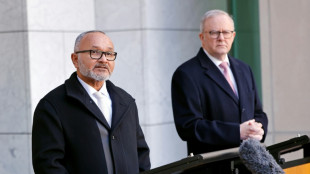
Solomons PM says to review security pact with China
-
 Will SpaceX IPO make Elon Musk a trillionaire?
-
By the power of great skills: Nicholas Galitzine on He-Man transformation

-
 '20 minutes of terror': AI boosts US voice impersonation scams
-
Before SpaceX goes public, a scramble to get on bandwagon
Trump’s Ukraine Economic Colony Plan Stirs Debate
As the war in Ukraine continues to reshape global geopolitics, a contentious proposal from US President Donald Trump has ignited fierce debate. Reports emerging in early 2025 suggest that Trump is pushing a deal that would grant the United States significant control over Ukraine’s vast natural resources, effectively turning the war-torn nation into what critics are calling an "economic colony." This development, rooted in negotiations tied to US military and financial aid, has raised alarm bells in Kyiv and among European allies.
According to sources, including a detailed report by EurasiaTimes on 20 February 2025, Trump’s administration has proposed a contract that demands a 50% share of Ukraine’s revenue from its critical minerals, ports, infrastructure, oil, and gas reserves. This comes as a condition for continued US support, which has been vital to Ukraine’s defence against Russia’s invasion since February 2022. The proposed terms are staggering: the US claims it has provided $500 billion in aid—a figure disputed by independent estimates, such as the Kiel Institute for the World Economy, which pegs US contributions at approximately $119 billion as of late 2024. In return, Trump seeks economic dominance over Ukraine’s resources, estimated to be worth trillions of dollars.
Ukraine, despite occupying just 0.4% of the Earth’s surface, is a treasure trove of rare earth elements, titanium, lithium, and other minerals critical to modern technology and defence industries. However, much of this wealth remains untapped or lies in Russian-occupied territories, complicating extraction efforts. Trump’s plan, as outlined in a leaked document cited by The Telegraph on 7 February 2025, includes establishing a "joint investment fund" to ensure that "hostile conflict parties"—namely Russia and potentially China—do not benefit from Ukraine’s reconstruction. The deal also reportedly grants the US "investment screening" powers, allowing Washington to dictate Ukraine’s economic partnerships.
Ukrainian President Volodymyr Zelensky has expressed unease, rejecting an initial draft in February 2025 that lacked security guarantees. "It is very important that there is a connection between security guarantees and a form of investment," Zelensky said, as reported by NBC News on 19 February 2025. His hesitation reflects a broader concern: that accepting Trump’s terms could lock Ukraine into a perpetual state of economic subservience, reminiscent of colonial arrangements imposed on defeated nations after major wars. Ukrainian economist Roman Sheremeta described the proposal as "effectively turning Ukraine into an American colony," a sentiment echoed across social media platforms like X, where users have labelled it "economic colonisation."
The plan has drawn sharp criticism internationally. German Chancellor Olaf Scholz called it "egoistic" during an EU summit on 4 February 2025, arguing that Ukraine’s resources should fund its own rebuilding, not serve foreign interests. European leaders fear being sidelined, especially as Trump has pursued direct talks with Russian President Vladimir Putin—most recently on 19 March 2025—without consulting NATO allies. These negotiations, held in Saudi Arabia, have fuelled speculation that Trump might trade Ukrainian sovereignty for a swift resolution to the conflict, a move that could bolster his domestic image ahead of the 2026 midterms.
Trump defends his approach, framing it as a pragmatic exchange. "We’ve given them hundreds of billions, and they’ve got great rare earths," he said on 4 February 2025, per Newspapers. He has also threatened to halt US military aid—paused since 3 March 2025—unless Zelensky complies, a stance that has deepened tensions following a public spat in the White House in late February. Yet, the numbers don’t fully align with Trump’s rhetoric: the Center for Strategic & International Studies estimates total US aid at $174.2 billion, far below the $350 billion he has claimed.
For Ukraine, the stakes are existential. Accepting the deal could secure short-term survival but at the cost of long-term autonomy. Rejecting it risks losing US support, potentially forcing Kyiv to cede ground to Russia. As of now, no agreement has been signed, but pressure is mounting. On 31 March 2025, Trump warned Zelensky of "big problems" if he backs out, according to ZDFheute. With Putin tying any ceasefire to Russian gains in Kursk, as noted by morgenpost.de on 7 March 2025, Ukraine finds itself caught between two superpowers, its future hanging in the balance.
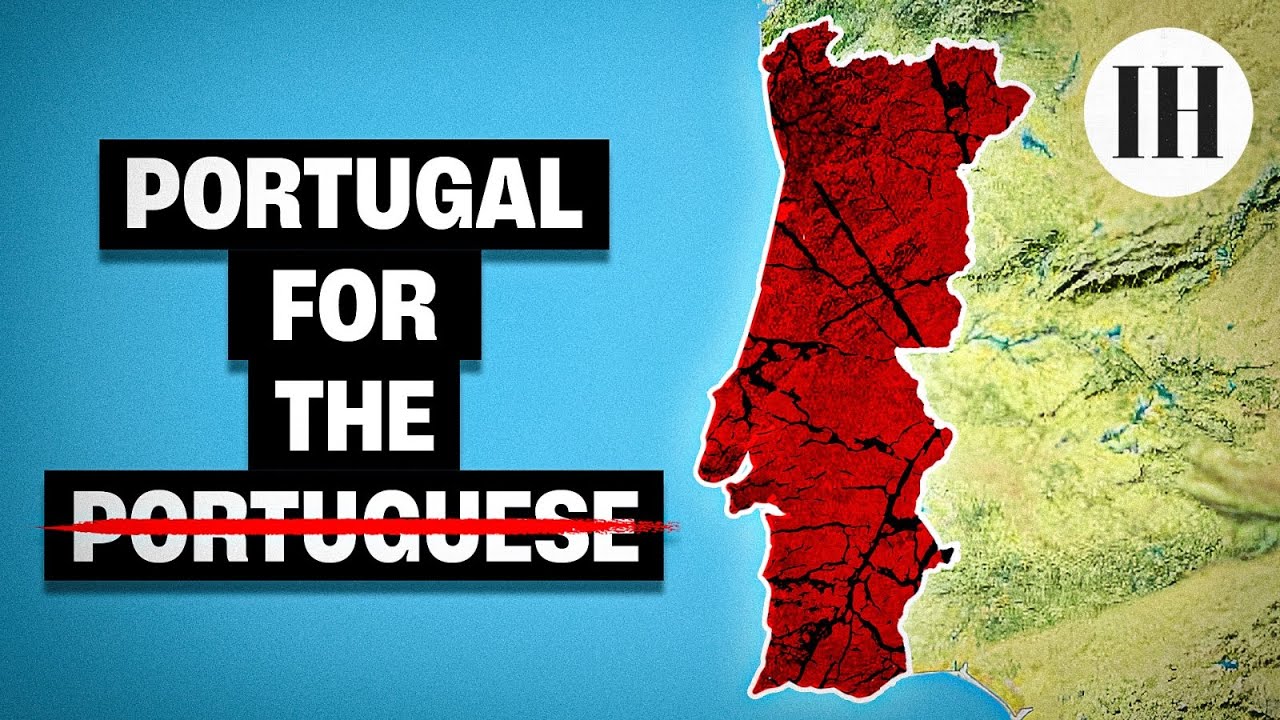
Portugal: Living Costs Soar
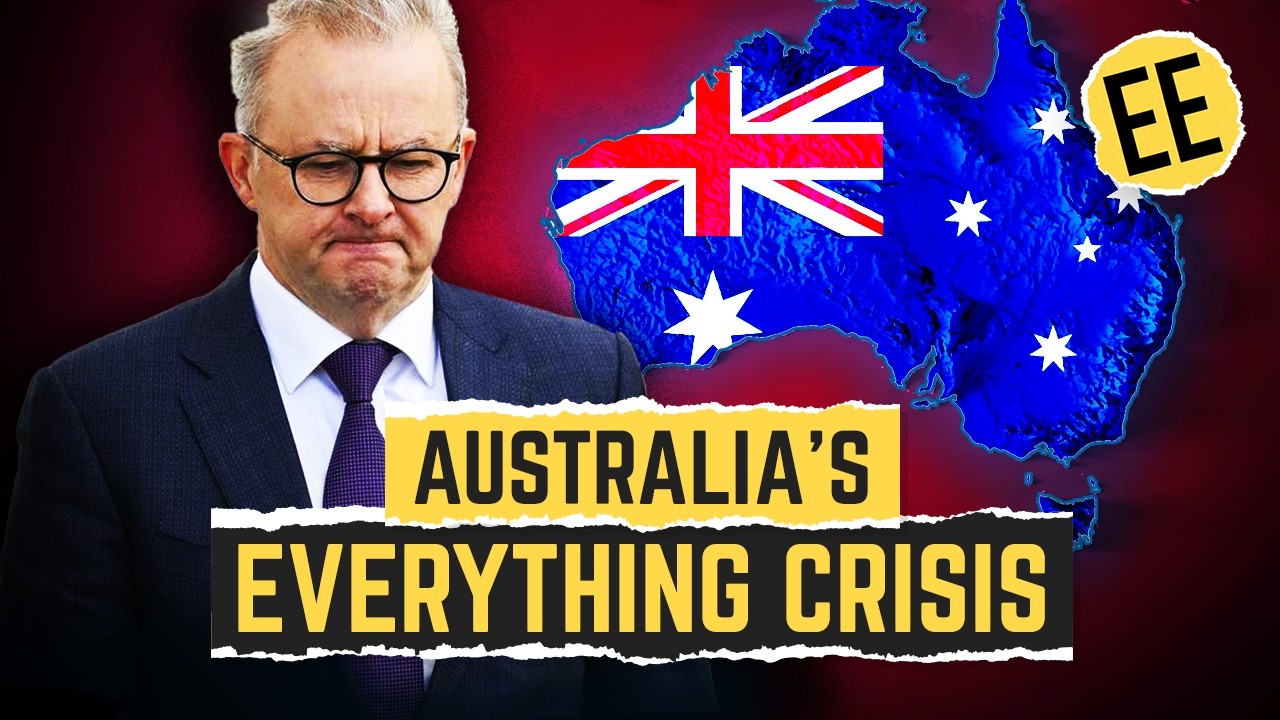
Is Australia’s Economy Doomed?
DOGE Fails to Slash U.S. Spending
Slovenia’s Economic Triumph
Next Generation EU a scam?
Can Poland Rescue Europe?

Finance’s Role in Economic Ruin
Trump’s Tariffs Spark Global Fear

Georgia Slips into Russia’s Grasp
China Targets Dollar at US Critical Moment
EU Pledges €800 Billion for Defence to Deter Russia