
AI has bright future in Latin America, despite training deficit: regional Google chief / Photo: Carl de Souza - AFP
 Spotlight on UK-UAE ties amid Manchester City scandal

 Ethiopia and Eritrea break diplomatic ties over conflict

 Downing Street says Manchester City not 'above the rules'

 Hadjar wants to 'fight for the title' from next season

 Bolivia's attorney general arrested for alleged drug trafficking, money laundering

 German sugar tax sparks new government row

 Musk returns to US government for Pentagon war study

 Stocks slide as bond yields spike

 Thousands rally as EU chief urges respect for Kosovo war crimes court
 Man City sponsor Etihad says considering legal action against Premier League

 Family of woman killed by US immigration agent sues Trump administration

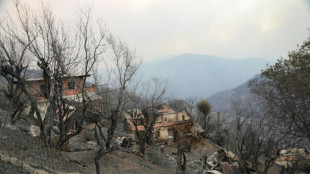
 French school protests spread as fires, blockades deepen unrest

 UK tribunal overturns ban on Naomi Campbell leading charities

 Louvre launches appeal as part of new fundraising drive

 Croatian ex-international Simic charged in graft case

 76% of Treasury Teams Hit by Fraud as Deepfake Attacks Rise, Treasury Dragons & nsKnox 2026 Index Finds

 Malawi ex-army chief arrested following allegations over Sudan arms

 German fuel price cuts kick in to ease Mideast energy shock

 'It's history': Zverev against shortening Grand Slam match format

 From Question to Action: Leverate Launches ASK, Its Native AI Assistant for Traders

 UN says strikes on Afghanistan kill 10 civilians

 Two Russian drones hit major bridge in Kyiv

 Alcaraz begins Japan Open defence with win over Michelsen

 ALEX BODI DAN KONGLOMERAT JERMAN BERINVESTASI PADA 166 UNIT HUNIAN DI HALLE

 Ronaldo's Portugal future in doubt after walkout

AI has a bright future in Latin America but is hamstrung by a huge training shortage, one of Google's top regional executives told AFP in an interview Thursday.
Speaking to AFP in Mexico, Google Latin America's vice-president Adriana Norena said rates of AI adoption in Latin America were "close to the United States...and the same as Europe."
But the "lack of training, of people ready to work with AI" was an obstacle to growth, she said.
"We have a major talent shortage," she said.
Surveys show that Latin Americans are relatively optimistic about the potential of AI.
But in Latin America, as in other regions, AI has been blamed for dramatically reducing the number of people accessing media company websites for information.
"We haven't observed that traffic (to media sites) has decreased; it has remained balanced," Norena said, arguing that AI acted like a filter, sending "more quality traffic" to media sites.
After a bumpy start to its AI journey Google has pulled off a dramatic turnaround to become a major player.
Google-parent Alphabet reported second-quarter profits of $28.2 billion, spurred largely by AI.
The AI race has prompted Google and other tech giants to build data centers housing huge servers to store the flood of data sucked up from billions of smartphones and other connected devices.
In Latin America, the centers' consumption of massive amounts of water has led to pushback.
Last year, an environmental court in Chile ordered Google to revise plans for a $200 million data center whose cooling system would consume seven billion liters (1.85 billion gallons) of water per year.
In Uruguay the company was also forced to revise plans for a center that would have used 2.7 billion liters a year.
In both cases, the company agreed to more expensive air cooling technology, which dramatically reduces water use.
"Our goal is for them to be self-sustaining and emission-free very soon," Norena said.
Google and Agence France-Presse signed a five-year agreement in 2021 under which the search company agreed to pay AFP an undisclosed sum for content in Europe.
Y.Kobayashi--AMWN